2026 Best Pick and Place Packaging Machine Guide
Packaging lines are changing quickly, but speed alone does not define a successful investment. A modern pick and place packaging machine must handle products gently, accurately, and consistently. It should also support safer operation, faster changeovers, and clear performance monitoring.
The International Federation of Robotics reported 541,302 industrial robots installed worldwide in 2023. That figure shows how automation continues moving from large factories into practical production environments. PMMI’s 2024 State of the Industry report also highlights continued investment in packaging machinery, driven by labor challenges, flexible formats, and operational efficiency. These trends matter to food, beverage, pharmaceutical, and consumer goods manufacturers planning their 2026 equipment strategy.
This guide examines the features buyers should inspect before signing a purchase order. Servo control, vision guidance, gripper design, hygienic construction, and integration with upstream equipment all affect real results. A machine may look impressive during a short demonstration. It may perform differently after hours of dust, heat, product variation, and repeated format changes.
Changeover time matters.
So does product damage.
We will compare machine types, application limits, throughput claims, maintenance needs, and total ownership costs. The discussion also considers operator training, safety documentation, spare parts, and validated performance data. Some advertised capacity figures require ideal products and stable feeding conditions. That limitation deserves attention. No machine wins on every line, and the cheapest quotation may create higher costs later. This 2026 guide aims to support careful decisions through practical evidence, transparent comparisons, and lessons from real packaging environments.
What Is a Pick and Place Packaging Machine?
What Is a Pick and Place Packaging Machine?
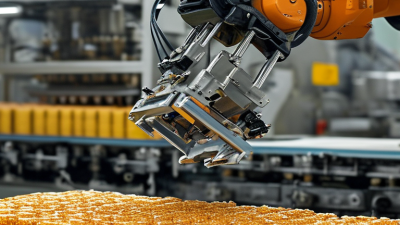
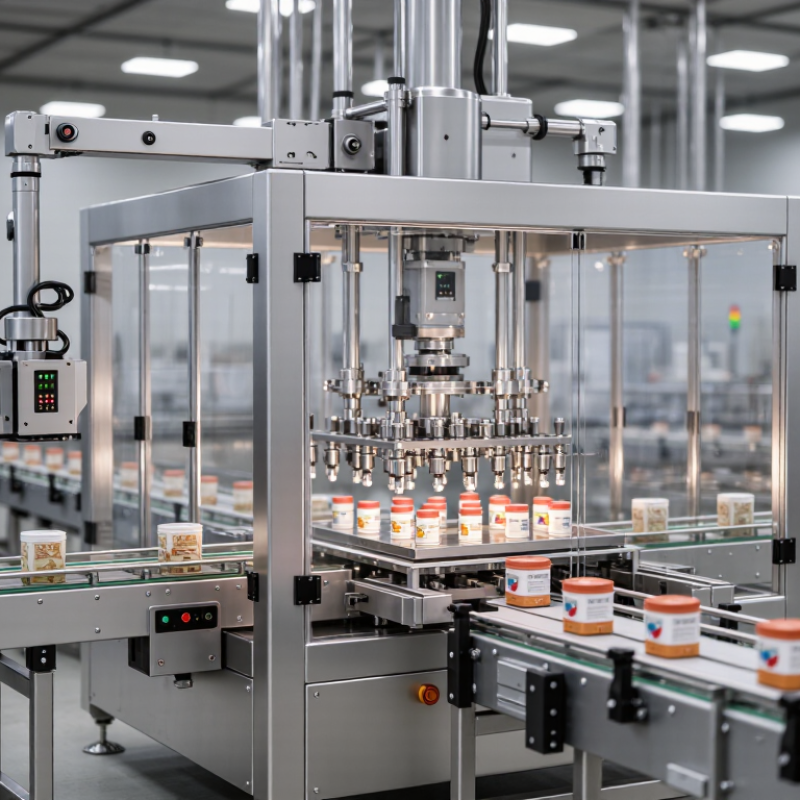
A pick and place packaging machine automatically transfers products from an infeed conveyor into trays, cartons, cases, or pouches. Its robotic arm uses a gripper, vacuum head, or custom tooling. Sensors and vision systems help identify product position, spacing, and orientation. The machine then places each item into a programmed pattern.
The process looks simple. It is not always simple. Product weight, surface texture, speed, and fragile edges can affect accuracy. A machine handling sealed cups needs different tooling from one handling rigid cartons. In production trials, I would check product movement at the fastest line speed, not only during a clean demonstration. That assumption matters.
Industry data supports the wider move toward automation. The International Federation of Robotics reported 541,302 industrial robots installed worldwide in 2023. PMMI’s 2024 packaging industry research also highlights labor availability and operational efficiency as continuing equipment concerns. These pressures explain why pick and place systems are appearing in more packaging lines. They can reduce repetitive manual handling and maintain consistent placement over long shifts.
However, automation does not remove every problem. Poorly aligned conveyors, inconsistent product dimensions, or weak changeover planning can create stoppages. A practical specification should include cycle rate, allowable product variation, tool-cleaning needs, safety guarding, and operator training. The right machine is not always the fastest one. Sometimes, a slightly slower system delivers better uptime and fewer damaged packs.
How Pick and Place Packaging Machines Work
2026 Best Pick and Place Packaging Machine Guide
How Pick and Place Packaging Machines Work
A pick and place packaging machine moves products from an infeed conveyor into cartons, trays, or cases. Its controller synchronizes conveyor speed, product spacing, and robotic movement. Sensors detect each item’s position. A vision system may check orientation, shape, or missing products. The robot then uses vacuum cups, clamps, or soft grippers to collect the product. It places each item into a programmed pattern.
The process looks simple. It is not always simple. Product weight, surface texture, and unstable spacing can change the result. A small timing error may create a tilted stack or damaged package. The International Federation of Robotics reported 541,302 industrial robots were installed globally in 2023. This growth shows stronger automation demand, but installation quality still matters. PMMI’s 2024 industry reporting also identifies labor availability as a continuing packaging challenge. Good automation reduces repetitive handling, but it cannot correct poor upstream feeding.
Tips: Test real products, not only samples. Measure pickup accuracy at different speeds. Check vacuum pressure during a full shift. Leave access for cleaning and adjustment. A perfect cycle rarely exists. Operators may discover issues engineers miss. Record those findings before final acceptance.
A reliable system should also include reject handling and clear fault messages. For example, a sensor can divert a misplaced product before it reaches the sealing station. This protects output quality and reduces stoppages. Regular checks of grippers, belts, sensors, and software settings help maintain stable performance. Cost savings may appear slowly, especially when changeovers are frequent. That part deserves honest review.
Key Machine Types and Packaging Applications
2026 Best Pick and Place Packaging Machine Guide
Pick-and-place lines now serve many product formats. They load trays, cartons, pouches, jars, and ready meals. That range makes machine selection an application decision, not a speed contest. Delta robots suit lightweight products and rapid transfers. Cartesian systems provide controlled motion for heavier, orderly loads. Robotic arms handle varied orientations, but tooling often decides real performance. The International Federation of Robotics reported 541,302 industrial robots installed worldwide in 2023, showing sustained automation investment.
Packaging applications reveal important differences. Bakery lines need gentle gripping and crumb-resistant surfaces. Frozen foods require materials that tolerate low temperatures. Pharmaceutical packaging needs traceability, accurate counting, and controlled handling.
PMMI’s 2024 industry research identifies labor availability, flexible production, and faster changeovers as major automation drivers. Smithers estimates the global packaging market will exceed one trillion dollars before 2030, increasing demand for adaptable equipment.
However, market growth does not remove operating risks. A faster robot may create jams when product spacing changes. That mistake is common.
Tips:
Test the actual product before approving the machine. Measure cycle speed, reject rate, changeover time, and cleaning effort. Inspect gripper contact points closely. A perfect laboratory trial can fail beside a warm conveyor. Include irregular products in testing. Real production is rarely tidy. Keep spare tooling simple, documented, and easy to sanitize. Ask operators to review the interface, too; technical teams sometimes overlook small daily frustrations.
How to Choose the Best Machine for Your Production Line
Choosing the best pick and place packaging machine starts with your product, not its advertised speed. A machine handling delicate biscuits needs softer gripping, precise vision, and controlled acceleration. Cartons may require different tooling and timing. Define product size, weight, orientation, film type, and target output before requesting quotations. A fast machine can still be the wrong machine.
The International Federation of Robotics reported 541,302 industrial robot installations worldwide in 2023, a 10% annual increase. This growth reflects stronger demand for repeatable automation and labor-saving equipment. PMMI’s recent packaging automation research also highlights labor availability, flexible production, and shorter changeovers as major investment concerns. Ask suppliers to demonstrate your actual products. Measure pick accuracy, reject rates, changeover time, noise, and cleaning access. Do not rely on brochure speed alone. Real factory conditions are less forgiving.
Tips: Compare usable output, not theoretical cycles per minute. Check whether the machine supports future package sizes. Review servo access, spare-part availability, safety functions, and operator training. Request a factory acceptance test with your own materials. Record results under normal shift conditions. Our first capacity estimate is often optimistic. Leave room for maintenance, replenishment, and minor stoppages. A practical line may run slower, yet produce more saleable packs.