Choosing a dates packing machine is not simply a matter of comparing speed, price, or polished photographs. Global buyers must examine the entire packing process. Fruit variety, moisture, size, skin condition, package format, and destination climate can change the right decision.
Dr. Fadi Aramouni, a food-packaging specialist, offers a practical reminder: “Packaging must protect food quality before it promotes the product.” That principle matters with dates. A machine may handle soft Medjool dates gently but damage smaller, firmer varieties. Another model may fill pouches quickly but struggle with sticky fruit, uneven weights, or loose stems. Small details matter.
The seven machines discussed in this guide are compared through a buyer’s real operating needs. We consider weighing accuracy, feeding stability, sealing performance, cleaning access, automation, and after-sales support. Energy use also deserves attention. So does the availability of spare belts, sensors, and sealing parts in your region.
Not every impressive specification tells the full story. Sometimes, a slower machine creates fewer rejects. Sometimes, the cheapest machine becomes expensive after installation problems. That is easy to overlook.
A reliable dates packing machine should protect appearance, maintain consistent weights, and reduce unnecessary handling. It should also fit your workers, facility, and future production plans. Global purchasing requires more than a catalog decision. It requires questions, sample testing, and honest attention to operational weaknesses. These seven options provide a useful starting point, but the final choice should follow your dates, packaging targets, and verified production trial.
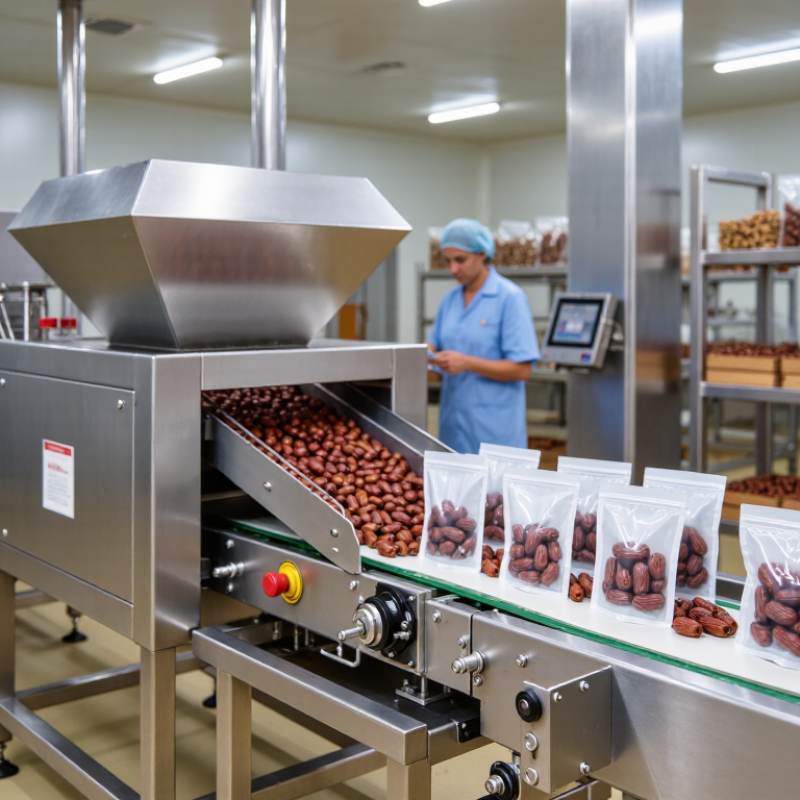
Dates packing machines are automated systems that prepare, weigh, fill, seal, and label dates for sale. They may handle loose dates, pitted dates, stuffed products, or retail trays. Their main purpose is consistent handling with less product contact and reduced packing waste.
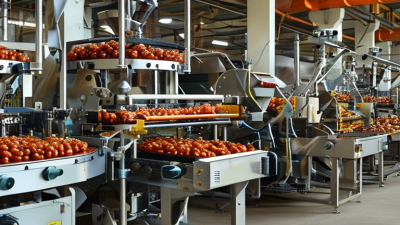
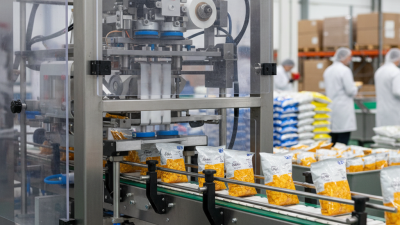
A typical line begins with a hopper or feeding conveyor. Dates move toward a sorting section, where cameras or workers can remove damaged fruit. A weighing unit then measures each portion. The machine drops the dates into bags, trays, or cartons. Heat sealers or ultrasonic systems close the package. Some models add date coding, vacuum packing, or modified-atmosphere packaging. These features can help protect texture, moisture, and shelf life, but results depend on the fruit condition.
The operating speed is not everything. Gentle conveyors matter because soft dates can bruise or stick together. Buyers should check product size, moisture level, package format, voltage, cleaning access, and local electrical requirements. A machine may perform well in a factory test yet struggle with unusually sticky dates. That detail is easy to miss.
Tips: Request sample testing with your own dates and packaging film. Check weighing accuracy during slow and fast production. Ask for food-contact material certificates, safety documentation, spare-part availability, and operator training. Keep a manual inspection point, even with advanced sensors. Automation reduces errors, but it does not remove every judgment call.
Selecting among the 7 best dates packing machines requires more than comparing speed. Global buyers should examine product behavior, destination rules, and service access.
FAOSTAT data places global date production above 9 million tonnes annually. That scale creates uneven fruit sizes, moisture levels, and seasonal supply. A suitable machine should handle soft, sticky dates without crushing their skins. Test trials should measure weighing accuracy, sealing strength, and product loss. Ask for results using your own date variety. Catalog figures can disappoint.
USDA Foreign Agricultural Service reports Saudi Arabia’s annual date production near 1.6 million metric tons. This reflects the need for durable systems in high-volume operations. Buyers should compare throughput at realistic fill weights, not empty-belt speed. Servo-driven dosing, gentle conveyors, and adjustable pouch or tray formats improve flexibility. Short sentences matter. Cleaning access matters more.
PMMI’s global packaging reports highlight labor shortages, automation, and sustainability as major equipment pressures. Choose inspection cameras, metal detection, and digital production records when export traceability matters. Check electrical compatibility, food-contact documentation, spare-part availability, and remote troubleshooting before purchase. Modified-atmosphere packing may extend quality, but gas settings require validation for each cultivar. I would not trust a promised shelf-life without independent testing. The overlooked risk is maintenance. A cheaper machine can become expensive when seals, sensors, or technicians are unavailable.
Indicative throughput ranges for common dates packing operations. Actual output depends on date size, moisture, product condition, package format, weighing accuracy, and automation level.
For global buyers, the best machine is determined by the required package format, target capacity, product protection, cleaning requirements, export-market compliance, and availability of technical support and spare parts.
Seven Leading Dates Packing Machine Types Compared
Global buyers should compare packing formats, not only advertised speed. Dates vary in size, softness, moisture, and skin stickiness. These differences can change machine performance.
Vertical form-fill-seal machines suit pillow bags and moderate production lines. They are flexible, but sticky dates may slow product release. Premade pouch machines create a cleaner presentation and handle zip closures well. Their labor and pouch costs can be higher. Rotary doypack machines offer attractive stand-up bags, accurate filling, and stronger shelf appeal. However, changeovers may require careful adjustment. Vacuum packing machines remove air from sealed bags and support longer storage. They can compress soft dates, which some buyers may dislike. Tray sealing machines protect delicate fruit in rigid compartments. They work well for retail displays, though trays increase material use. Flow-wrapping machines produce compact pillow packs for individual or small portions. Their sealing jaws need consistent temperature control. Multihead weighing systems improve speed for mixed date sizes, but they need testing before purchase.
The best selection depends on the product, not a sales brochure. Ask for trials using your own dates, film, pouch, and target weight. Check seal strength, dust control, cleaning access, and rejected packs. Very soft dates may need gentle conveyors and slower acceleration. This part is often underestimated. A machine that runs perfectly with dry samples may struggle during humid shipping seasons. Buyers should also verify local voltage, spare-part availability, operator training, and food-contact compliance. No option is perfect. The right system balances output, product care, maintenance, and realistic operating conditions.
A practical comparison of commonly used date-packing machine configurations. Actual performance depends on date variety, moisture, size uniformity, filling weight, package material, and line configuration.
| Rank | Machine Type | Typical Date Products | Common Package Formats | Typical Output Range | Filling or Dosing Method | Sealing Capability | Main Advantages | Key Limitations | Best Application | Indicative Automation Level |
|---|---|---|---|---|---|---|---|---|---|---|
| 1 |
Vertical Form-Fill-Seal Machine VFFS |
Whole dates, pitted dates, chopped dates, and date pieces with controlled flowability | Pillow bags Gusset bags Quad-seal bags | Approximately 20–80 bags/min, depending on product, bag size, and dosing system | Usually combined with a linear weigher, multihead weigher, volumetric cup, or auger for date pieces | Heat sealing with laminated film; modified-atmosphere options may be available with suitable film and gas equipment | Flexible bag sizes, efficient film usage, compact footprint, and easy integration with automatic weighing systems | Sticky or irregular dates may require anti-stick contact surfaces, product agitation, and carefully selected film | Retail bags and medium-to-high-volume export production | High |
| 2 |
Horizontal Form-Fill-Seal Flow Wrapper HFFS |
Whole dates arranged in rows, date gift packs, trays, and uniform retail portions | Pillow packs Tray overwraps Multipacks | Approximately 30–150 packs/min, depending on pack dimensions and product loading | Pre-counted, collated, or continuously fed product; generally better for organized product presentation than bulk dosing | Longitudinal and end heat seals; suitable for laminated or heat-sealable polypropylene-based films | Attractive presentation, good control of product orientation, and smooth handling of delicate whole dates | Requires relatively consistent product dimensions and more accurate infeed control | Premium retail packs, gift packs, and arranged date presentations | High |
| 3 | Rotary Premade Pouch Packing Machine | Whole dates, pitted dates, stuffed dates, and assorted date products | Stand-up pouches Zipper pouches Flat pouches | Approximately 20–60 pouches/min, depending on pouch size, filling weight, and pouch handling | Multihead weighing, linear weighing, volumetric dosing, or manual loading stations | Top heat sealing; zipper, spout, tear-notch, coding, and gas-flushing options can be added depending on the machine design | Premium appearance, convenient resealing, broad pouch-size flexibility, and good suitability for branded retail formats | Higher initial investment and more changeover time than basic bagging systems | Export retail packs, premium products, and resealable consumer packaging | High |
| 4 | Vacuum Chamber Pouch Packing Machine | Whole or pitted dates packed in high-barrier vacuum pouches | Vacuum pouches Flat bags High-barrier packs | Approximately 2–12 cycles/min; each cycle may process one or several pouches | Product is usually weighed or filled before the pouch enters the vacuum chamber | Vacuum extraction followed by heat sealing; double-seal configurations are common for demanding transport conditions | Reduces air inside the package, supports high-barrier packaging, and can help protect product quality during distribution | Not ideal for dates that are easily crushed; vacuum pressure must be adjusted to product firmness and shape | Long-distance shipping, bulk retail packs, and products requiring reduced internal air | Medium to High |
| 5 | Thermoforming Vacuum Packing Machine | Whole dates in trays, portioned dates, and premium display-ready formats | Rigid-bottom trays Vacuum skin packs MAP trays | Approximately 4–15 cycles/min, depending on tooling, tray cavities, and package size | Manual, volumetric, or automated loading into formed cavities before lidding | Vacuum sealing, modified-atmosphere packaging, or skin sealing with compatible barrier films | Excellent product presentation, precise cavity formation, and efficient use of preformed tray packaging | Higher tooling cost, larger footprint, and less flexibility when frequently changing tray dimensions | Supermarkets, premium foodservice packs, and high-value presentation formats | High |
| 6 | Linear or Multihead Weigher with Automatic Bagger | Whole dates, pitted dates, date clusters, and mixed-size dates with moderate flowability | Pillow bags Stand-up bags Bulk bags | Approximately 15–70 weighments/min, depending on target weight, product behavior, and number of heads | Net weighing through linear or multihead weigh hoppers; suitable for multiple target weights | Usually paired with VFFS or premade-pouch equipment for heat-sealed packaging | Good weight accuracy, flexible product handling, and easy recipe changes for different pack sizes | Very soft, sticky, or highly irregular dates may need coated contact parts and slower discharge settings | Accurate retail and foodservice packs from small portions to several kilograms | High |
| 7 | Semi-Automatic Net Weigh Filler | Whole dates, pitted dates, soft dates, and seasonal or small-batch products | Preformed bags Buckets Cartons Large sacks | Approximately 5–20 fills/min, depending on operator loading, target weight, and packaging type | Net weighing into a manually positioned container or preformed bag | Sealing may be manual or performed by a separate band sealer, impulse sealer, or heat-sealing unit | Lower investment, simple operation, easy product changeover, and practical for smaller production volumes | Requires operators, offers lower throughput, and may have greater variation in presentation and sealing consistency | Start-ups, seasonal processors, small exporters, and flexible multi-product facilities | Medium |
Buyer note: For dates, confirm the machine’s product-contact material, anti-stick design, weighing accuracy, film compatibility, cleaning access, date coding system, electrical standards, and availability of local technical support before purchase.
Machine selection should begin with the date, not the catalogue. Soft, high-moisture dates can bruise under excessive compression. Firm dates tolerate faster weighing and stronger conveying. Pitted dates need gentle alignment, while stuffed dates require wider product paths. A multihead weigher suits uniform pieces. An auger filler may handle sticky, irregular dates more steadily. For premium whole dates, optical inspection can detect skin damage and foreign material before packing. Codex Standard for Dates, CXS 143-1985, emphasizes characteristics such as cleanliness, soundness, and acceptable moisture conditions. These points should shape the machine specification.
Packaging format changes the equipment choice. Small retail pouches need accurate dosing, heat sealing, and date-code printing. Bulk cartons need robust counting or weighing systems and less decorative handling. Vacuum or modified-atmosphere packing may help selected products, but trials are essential. A glossy package does not repair poor product control. FAO’s State of Food and Agriculture 2019 reported that about 14% of food is lost between harvest and retail globally. Damage during conveying can quietly increase that loss. In testing, operators should measure broken skins, weight variation, seal strength, and cleaning time. Do not trust speed alone.
There is room for doubt. A machine rated for 60 packs per minute may slow sharply with sticky fruit. Humidity, cultivar, pit removal, and pack size change results. Buyers should request samples using their own dates and packaging film. The best machine is the one that protects product quality repeatedly, not the one with the largest number on its brochure.
Global buyers comparing the seven best dates packing machines should start with compliance, not the lowest quotation.
Confirm food-contact materials, electrical safety, electromagnetic compatibility, guarding, and emergency-stop design. Request current test reports and a complete technical file. Certificates alone can be insufficient. Local import rules may require additional inspection, labeling, or documentation.
Service capability often separates a reliable machine from an expensive idle asset.
Ask for commissioning procedures, operator training, spare-parts lists, and response times in writing. Check whether technicians can support your time zone and language. Request references from facilities packing similar date sizes and moisture levels.
A short video call can reveal more than polished brochures. Watch the sealing area, product feed, and cleaning process.
Calculate total cost over several years.
Include film waste, electricity, compressed air, labor, customs, installation, software updates, and planned maintenance. Also price one hour of downtime during peak harvest periods.
A cheaper machine may consume more packaging material through inconsistent sealing. That mistake is easy to miss. I would compare sample packs from every supplier, measuring seal strength, fill accuracy, changeover time, and damaged fruit.
The test should use your actual dates, cartons, and target speed. Leave room for uncertainty; production conditions rarely match showroom demonstrations. Get warranty exclusions and payment milestones clearly documented before approval.