
Why Choose Ffs Woven Sack for Global Packaging?
Global packaging is becoming lighter, faster, and more accountable. Smithers’ The Future of Global Flexible Packaging to 2028 highlights material efficiency, automation, and recyclability as major market priorities. These pressures are especially visible in agriculture, chemicals, minerals, pet food, and construction materials.
An Ffs Woven Sack combines woven polypropylene strength with Form-Fill-Seal automation. The sack arrives as a continuous roll. A machine forms, fills, seals, and cuts each bag with limited manual handling. This can improve line speed, reduce packaging waste, and support consistent pallet stacking. Details matter. A rough granule surface may improve grip, while an unsuitable liner can weaken moisture protection. Small choices become expensive at global scale.
Walter Soroka, author of Fundamentals of Packaging Technology, described packaging as “the science, art, and technology of enclosing and protecting products.” His statement remains relevant to woven sacks. Protection alone is not enough. Packaging must also support transport, storage, production efficiency, and responsible end-of-life decisions. The World Bank’s Logistics Performance Index shows how handling quality and supply-chain reliability influence international trade. Ffs Woven Sack systems can contribute through uniform dimensions and automated packing. Still, they are not a universal solution. Recycling infrastructure differs widely, and poorly selected designs may create avoidable waste. That limitation deserves honest attention. Choosing the right sack requires product testing, filling trials, climate assessment, and supplier verification—not marketing claims alone.
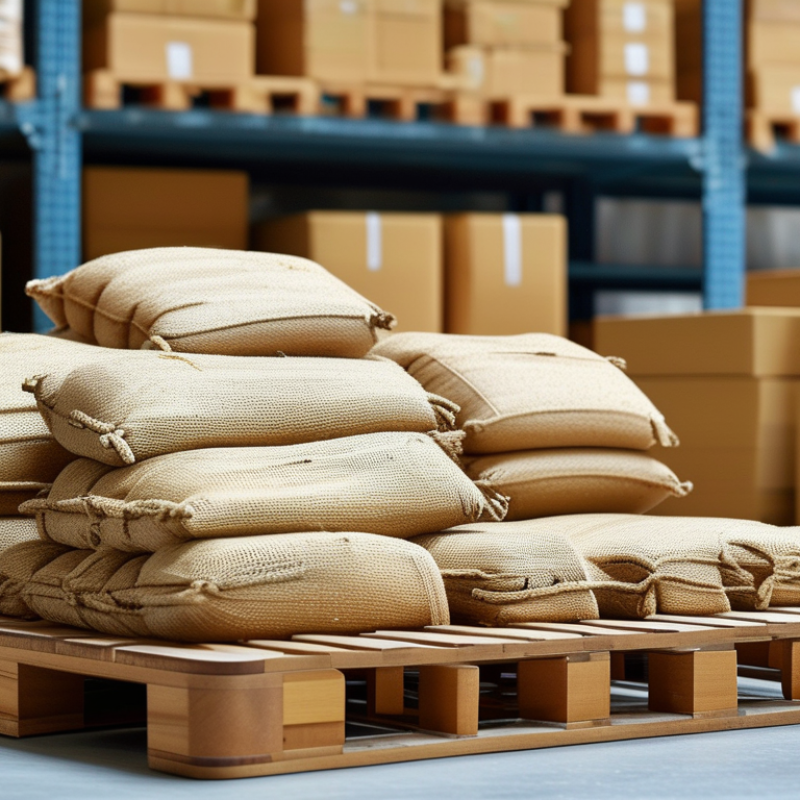
FFS woven sacks are bags made from woven polypropylene fabric and produced directly from a continuous roll. FFS means form, fill, and seal. The packaging machine shapes the tube, seals one end, measures the product, and closes the opposite end. There is no separate bag-making stage. This reduces handling and can improve line speed. The process suits grains, animal feed, minerals, and powdered materials. A typical sack moves through tension rollers, filling spouts, heat-sealing units, and weight checks. Small adjustments matter.
The woven structure provides strength with relatively low material use. According to the OECD’s Global Plastics Outlook, packaging represented about 40% of global plastic waste in 2019. That figure makes material efficiency important, but it does not make plastic packaging automatically sustainable. FFS sacks still require responsible collection and recycling systems. ISO 21898:2004 provides requirements for polypropylene woven sacks used for packaging. It addresses construction and performance, but real results depend on fabric density, seam quality, filling impact, and storage conditions. The Flexible Packaging Association reported approximately 39.5 billion dollars in U.S. flexible packaging sales during 2022, showing the scale of this packaging sector. Yet speed can expose weaknesses. Poor film control may create uneven seals. Excessive stacking can damage corners. A sack may pass production checks and still fail after a rough port journey. Testing should include drop resistance, compression, moisture exposure, and actual filling conditions.

Why Choose FFS Woven Sacks for Global Packaging?
FFS woven sacks are mainly made from polypropylene tapes woven into a strong tubular fabric. Polyethylene coating or an inner film can improve moisture resistance. The material choice depends on product density, filling speed, storage conditions, and transport distance. That choice matters. For dusty powders, a fine weave and sealed inner layer can reduce leakage. For heavy granules, stronger tapes and reinforced seams help prevent stretching during lifting.
The design must also match the filling equipment. A tubular roll, precise sack length, and heat-sealable surfaces support fast form-fill-seal production. Block bottoms help the filled sack stand upright on pallets. Gussets improve volume and stacking stability. Printed surfaces may support handling instructions, but excessive ink coverage can affect recycling or seal performance. Small details matter.
Practical testing should include drop resistance, seam strength, top-load pressure, and moisture exposure. Field experience often reveals weaknesses that laboratory tests miss. A sack may look strong yet split after repeated pallet movement. Not every glossy sack performs better. Designers should record fabric weight, coating thickness, sealing temperature, and filling speed in one specification. Test it in production. The best design balances protection, machine performance, material use, and end-of-life recovery. Some compromises remain unavoidable, and that deserves honest review before large-scale production.
FFS woven sacks are primarily made from woven polypropylene (PP) tapes. Depending on the product and logistics conditions, manufacturers may add a polyethylene (PE) coating, a PE liner, or a laminated film layer. The chart shows representative grammage ranges commonly used for different FFS sack constructions. Heavier structures generally provide greater strength, barrier protection, and resistance to demanding filling and transport conditions.
Why Choose FFS Woven Sacks for Global Packaging?
How Do FFS Woven Sacks Improve Packaging Efficiency?
FFS woven sacks combine bag forming, filling, and sealing in one continuous process. This reduces manual handling around the packing line. Operators can fill consistent quantities with fewer pauses. The sack is produced from strong woven plastic fabric, which supports heavy products during storage and transport. In practical operations, this can improve throughput and reduce packaging waste. Still, performance depends on correct machine settings and suitable sack dimensions.
Tips: Test the sack with the actual product before full production. Check filling speed, seal strength, dust control, and pallet stability. A sack that works well with granular material may perform poorly with fine powder. Small details matter.
FFS packaging also improves workplace flow. Filled sacks leave the machine ready for stacking, without separate stitching or frequent repositioning. Consistent shapes can make pallets more stable and warehouse space easier to plan. Printed handling instructions can support clearer use across different markets. However, automation is not a complete solution. Poor calibration may cause weak seals, uneven filling, or damaged edges. Regular inspections remain necessary, especially when products, climates, or transport routes change. I have found that the fastest line is not always the most reliable one. Adjustments should follow measured results, not assumptions.
FFS woven sacks suit global shipping because they combine load strength with efficient filling. In warehouse trials, operators can form, fill, and seal each sack without separate sewing steps. Polypropylene tapes distribute pressure across the woven body, helping the package resist tearing during lifting and transport. The flat shape also supports stable pallet stacks. That matters when cargo moves through trucks, ports, and distribution centers.
Their shipping value becomes clearer in changing climates. A suitable inner liner can reduce exposure to humidity, dust, and brief surface moisture during handling. Heat-sealed closures limit product loss when sacks are moved repeatedly. Correct dimensions improve container utilization and reduce empty spaces between units. Yet performance depends on design. A sack selected without testing may stretch, slide, or fail at its seams. It is not a magic solution.
Reliable exporters normally check drop resistance, top-load strength, seal quality, and compatibility with the packed material. They also confirm labeling, recycling marks, and transport requirements for each destination. Practical inspection should include filled sacks, not only empty samples. Small details matter. Rough pallet edges can cut fabric, while overfilled sacks may lose stack stability. FFS sacks are lightweight, but lighter is not always better. A thinner construction can reduce cost and increase risk. This trade-off deserves honest review before large-scale shipping begins.
FFS woven sacks serve industries that need fast filling, clean handling, and consistent shipment strength. Agriculture uses them for rice, grains, seeds, animal feed, and approved fertilizers. Their flat construction supports automatic form-fill-seal equipment. This reduces open-mouth sewing and limits product exposure during packing.
Construction suppliers often pack cement, sand, dry mortar, and other powdered materials in these sacks. The woven fabric resists tearing when bags move across pallets or rough warehouse floors. Venting, coating, and liner choices depend on dust control and moisture sensitivity. Food processors may select certified materials for flour, sugar, pet food, and other regulated products. Traceability still matters.
Industrial manufacturers also use FFS woven sacks for plastic pellets, mineral powders, and selected chemical products. Packaging engineers usually check drop strength, seam performance, filling speed, and storage conditions before approval. A sack that performs well in a dry warehouse may fail during humid ocean transport. That assumption is not always right.
In practical testing, small details become important. Pallet height, forklift contact, and stacking pressure can change results. Recyclability is another consideration, but it depends on coatings, liners, and local collection systems. Requirements vary by market. Careful testing and documented specifications make the packaging decision more reliable.
| Industry | Common Products | Why FFS Woven Sacks Fit | Typical Packaging Requirements | Key Handling Considerations |
|---|---|---|---|---|
| Fertilizers | Granular and powdered fertilizers, soil conditioners | High production speed, strong resistance to tearing, and suitability for automated filling and sealing | Laminated or coated fabric, printed identification, moisture-control options, commonly 10–50 kg capacities | Protect from prolonged moisture exposure and store on pallets in a dry, ventilated area |
| Animal Feed | Pellets, meal, grains, premixes, and feed additives | Efficient high-volume packing with good load-bearing performance and customizable ventilation or barrier properties | Food-contact-compliant materials where required, strong seams, clear product information, commonly 10–50 kg capacities | Keep away from pests, chemicals, direct sunlight, and floor contact |
| Grains, Seeds, and Pulses | Rice, wheat, maize, beans, lentils, and planting seeds | Breathable woven construction helps support bulk handling while the sack structure provides useful puncture and abrasion resistance | Uncoated or laminated fabric selected according to moisture sensitivity, commonly 5–50 kg capacities | Products should be sufficiently dry before packing; maintain airflow during storage |
| Flour, Starch, and Food Powders | Flour, starch, sugar-based powders, and other dry food ingredients | FFS production supports consistent filling, reduced manual handling, and clean presentation for dry bulk products | Fine-powder control through liners, inner films, or suitable lamination; hygienic materials and strong closures | Use approved materials for the intended application and protect contents from humidity and contamination |
| Chemicals and Minerals | Powdered chemicals, salts, carbonates, pigments, and mineral products | Strong woven fabric supports demanding transport conditions and can be combined with liners or coatings for improved containment | Product-specific liner, antistatic or conductive options where necessary, durable seams, commonly 10–50 kg capacities | Confirm chemical compatibility, follow applicable transport rules, and avoid uncontrolled dust release |
| Construction Materials | Cement, mortar, sand, gypsum, and dry building mixtures | High tensile strength and abrasion resistance make woven sacks suitable for stacking, palletizing, and long-distance distribution | Lamination or coating for fine powders, reinforced construction, commonly 20–50 kg capacities | Protect from rain and ground moisture; use stable pallet stacks to reduce compression damage |
| Pet Food | Dry kibble, treats, and powdered nutritional products | Supports automated packing, durable distribution, and large-format retail or institutional packaging | Odor and moisture barrier options, food-contact-compliant inner layers where required, commonly 5–25 kg capacities | Maintain product hygiene, seal integrity, and protection from humidity and pests |
| Plastic Resins and Polymers | Plastic pellets, compounds, masterbatch, and recycled polymer granules | Suitable for automated form-fill-seal lines and bulk movement through warehouses, containers, and distribution networks | Clean inner surfaces, anti-slip or antistatic features when needed, commonly 20–50 kg capacities | Control contamination and static-related risks according to the product and filling environment |

