What is a Manual Pouch Filling Machine and How Does it Work?
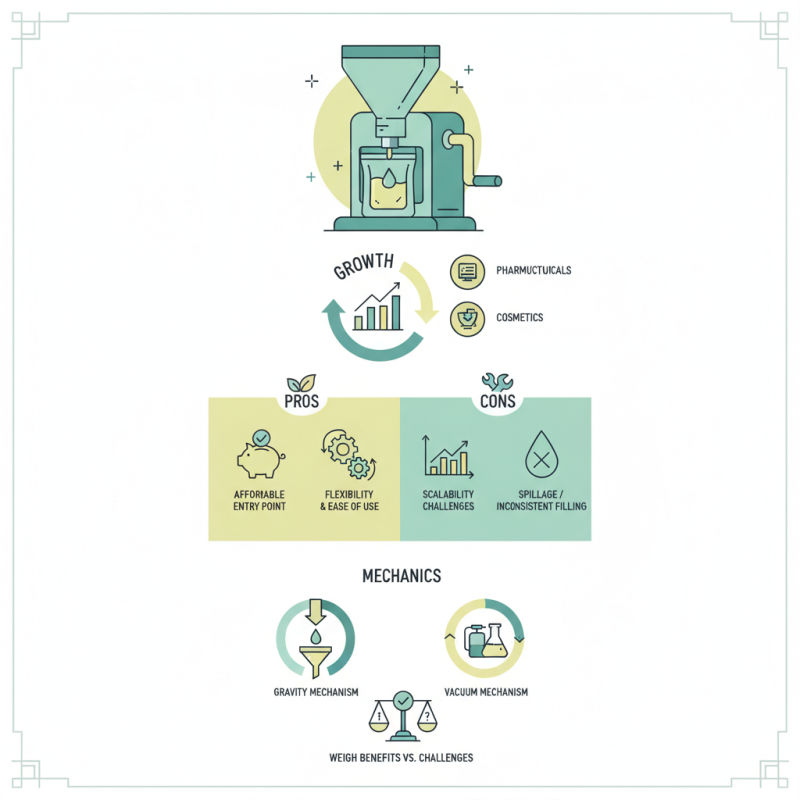
In the evolving landscape of packaging technology, the manual pouch filling machine stands as a vital tool for small to medium-sized businesses. According to recent market analysis, the demand for pouch filling machines is expected to grow by approximately 5% annually. This growth reflects the increasing need for efficient packaging solutions across diverse industries, including food, pharmaceuticals, and cosmetics.
Manual pouch filling machines offer an affordable entry point for companies that require flexibility and ease of use. Many businesses lean on these machines to streamline their packaging process. However, relying solely on manual machines can lead to inefficiencies, especially as production volumes increase. Users often find that while these machines provide initial cost savings, they may struggle with scalability in the long term.
The mechanics behind a manual pouch filling machine are straightforward yet require careful operation. These devices often rely on gravity or vacuum mechanisms to dispense products. However, without proper training, the risk of spillage or inconsistent filling arises. Businesses must weigh the benefits of manual operation against potential challenges. This balance is crucial for sustaining quality and efficiency within a competitive market.
What is a Manual Pouch Filling Machine?
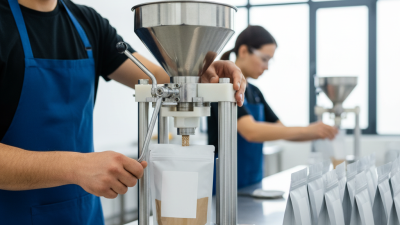
A manual pouch filling machine is a simple yet effective tool for packaging products. It is commonly used in various industries, including food, cosmetics, and pharmaceuticals. This machine enables users to fill pouches with liquids, powders, or granules manually. Its design is straightforward, which makes it suitable for small businesses or startups. Operating this machine requires minimal training.
When using a manual pouch filling machine, the process generally involves placing the pouch in the machine, adjusting the filling volume, and activating the filling mechanism. Some machines may allow users to customize settings for different pouch sizes. Accuracy in filling is essential, as overfilling or underfilling can impact product quality.
**Tips:** Always check the machine before each use. Ensure it is clean and free from debris. This can prevent contamination. Also, practice filling with dry materials before moving on to liquids. This helps in gaining confidence and mastering the operation.
Users should be aware that manual filling can be labor-intensive. It may lead to inconsistencies in filling volumes, especially during longer production runs. Take time to focus on maintaining a steady pace to improve accuracy. Manual processes require vigilance, and it’s easy to get distracted. Proper training and practice can enhance both efficiency and precision in filling.
Manual Pouch Filling Machine Usage Statistics
Key Components of a Manual Pouch Filling Machine
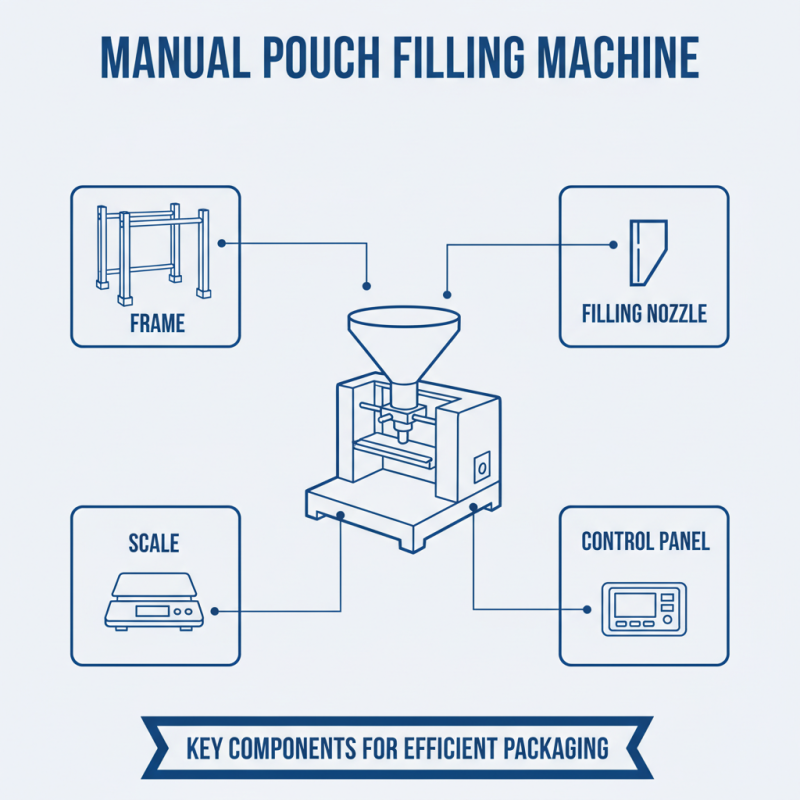
A manual pouch filling machine is a simple yet effective tool for packaging various products. Understanding its key components can help users maximize efficiency. These machines typically consist of a frame, a filling nozzle, a scale, and a control panel. Each part plays a vital role in the overall functionality.
The frame provides stability and support. It ensures that the machine can maintain its position during operation. A well-designed frame can reduce vibrations, which may affect accuracy. The filling nozzle determines how efficiently product fills the pouch. Selecting the right nozzle size is crucial for avoiding spillage and inaccuracies. Reports indicate that improper nozzle selection can lead to a 10-15% increase in material waste.
Scales are essential for precise filling. They help in measuring the right amount of product. An accurate scale can significantly reduce the risk of overfilling or underfilling. The control panel allows operators to adjust settings easily. However, users may face challenges in calibration. Regular calibration is necessary to ensure consistent results. Neglecting it can cause discrepancies over time, impacting quality.
How a Manual Pouch Filling Machine Operates Step by Step
A manual pouch filling machine is essential in various industries. It provides a cost-effective way to package products like snacks, powders, and liquids. This machine is favored for its simplicity and versatility. According to industry reports, around 40% of small to medium-sized manufacturers rely on manual solutions for packaging.
Operating a manual pouch filling machine involves several steps. Begin by preparing your pouches. Ensure they are clean and dry. Next, set up the machine for filling. Load the product into the hopper. Carefully position the pouch under the spout. Pull the lever or push the button to start the filling process. This step requires attention to detail. Inaccurate filling can affect quality and profitability. The average industry tolerance for filling accuracy is within 2%.
After filling, seals must be checked. Misaligned seals can lead to leaks or contamination. Operators often overlook this aspect. It's a crucial part of ensuring the product's safety. Human error remains an issue. Manual filling machines can be labor-intensive, which may lead to inconsistencies in the final product. Monitoring this process closely is vital to maintain standards.
Applications of Manual Pouch Filling Machines in Various Industries
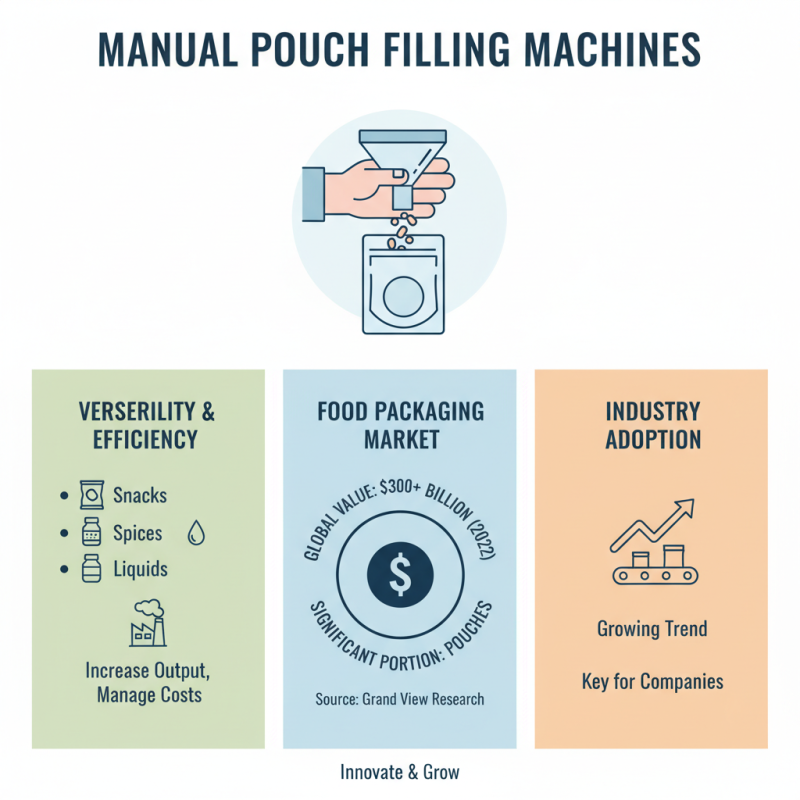
Manual pouch filling machines have gained traction across various industries due to their versatility and efficiency. In the food sector, they are used to package snacks, spices, and liquids. According to a report by Grand View Research, the global food packaging market was valued at over $300 billion in 2022, with a significant portion attributed to pouches. This trend highlights the importance of manual pouch fillers for companies aiming to increase output while keeping costs manageable.
In the cosmetic and personal care industry, these machines play a vital role as well. They allow companies to fill facial serums, lotions, and other personal care products swiftly. Research suggests that the global cosmetics market is projected to reach $390 billion by 2025. Despite this growth, there are challenges. Many businesses struggle to maintain consistency in fill sizes, leading to product waste. It's essential to focus on calibration and employee training to minimize errors.
Similarly, pharmaceuticals utilize manual pouch filling machines to package powders and capsules. A recent study from the Pharmaceutical Research and Manufacturers of America noted that over 50% of companies are investing in flexible packaging solutions. This growth reflects the industry's need for efficiency while navigating regulatory standards. Yet, relying solely on manual processes can lead to bottlenecks. Continuous assessment is necessary to optimize production flows and maintain compliance.
Benefits of Using Manual Pouch Filling Machines for Packaging Needs
Manual pouch filling machines have become an essential tool for small to medium-sized businesses. These machines are simple to operate and require minimal setup. They enable businesses to fill pouches quickly and efficiently, ensuring products are sealed correctly. This efficiency translates to reduced labor costs and increased productivity.
One significant benefit of these machines is versatility. They can accommodate various pouch sizes and product types. Whether you’re filling food items, powders, or liquids, these machines can handle it with ease. Their compact design allows them to fit into smaller workspaces, making them ideal for companies with limited space. However, users must be diligent in adjusting settings for different pouch types; miscalibrated machines can lead to waste.
Another advantage is the control it provides. Operators can manage the filling volume manually, ensuring consistency in packaging. This hands-on approach allows for immediate intervention if issues arise. Nevertheless, it can also lead to human error, so attention to detail is crucial. Regular maintenance is essential to prevent breakdowns. Despite their simplicity, ensuring optimal operation can be challenging. As businesses explore their packaging needs, these machines can be both a solution and an area for continuous improvement.