Top 10 Packaging Equipment Tips for Global Buyers
In the ever-evolving world of packaging equipment, making informed decisions is crucial for global buyers. Packaging expert Sarah Thompson emphasizes, "The right packaging equipment can elevate your brand’s presence." This insight highlights the importance of selecting efficient machinery that not only fits operational needs but also enhances product appeal.
Buyers face numerous challenges including varying specifications, different suppliers, and technological advancements. Understanding these nuances is vital. For example, a machine that works well in one region may not suit another due to local regulations. Additionally, many buyers overlook maintenance aspects, which can lead to unexpected downtime and losses.
Amid the complexities, revisiting fundamental needs can clarify decision-making. Buyers should reflect on the specific requirements of their operations. Is the equipment versatile enough for future products? These reflections ensure that investments in packaging equipment yield long-term benefits, avoiding pitfalls that others may encounter.
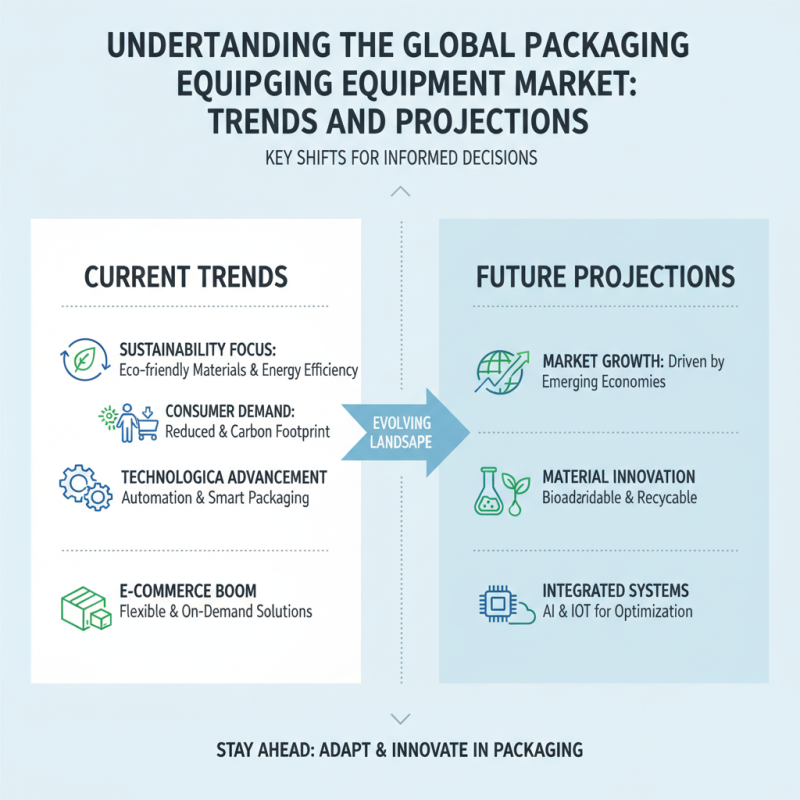
Understanding the Global Packaging Equipment Market Trends and Projections
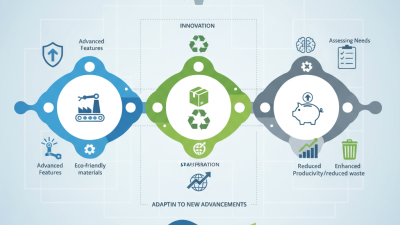
The global packaging equipment market is evolving rapidly. Buyers must understand new trends to make informed decisions. For example, the shift towards sustainability is transforming equipment design. Many manufacturers now prioritize eco-friendly materials and energy-efficient operations. This shift reflects changing consumer preferences. Brands are seeking ways to reduce their carbon footprint. They want packaging solutions that align with these values.
Automation is another significant trend in this market. Many companies are investing in advanced technology. Robotics and AI are streamlining the packaging process. These developments increase efficiency and reduce operational costs. However, the initial investment can be daunting for some buyers. Not all organizations are ready to embrace this change fully.
Customization is also gaining traction. Buyers seek packaging solutions tailored to their specific needs. Flexibility in design can lead to increased market competitiveness. But this customization sometimes complicates the sourcing process. Companies may face challenges in finding suitable equipment. It's essential to strike a balance between innovation and feasibility. The right approach will depend on each buyer’s unique situation.
Key Considerations for Selecting Packaging Equipment Suppliers Worldwide
When selecting packaging equipment suppliers globally, buyers face unique challenges. It's crucial to identify suppliers who understand local regulations and market needs. Knowledge of regional preferences can greatly enhance packaging effectiveness. Buyers should consider suppliers with proven experience and a strong reputation in the industry.
Tip: Evaluate supplier capabilities carefully. Ask for case studies or references. A supplier's past performance can reveal their reliability. Look for certifications that demonstrate compliance with quality standards. These insights can guide your decision-making process.
Cultural understanding plays a key role in packaging needs. Suppliers with local insights can offer valuable advice on design and materials. This can lead to better customer engagement and satisfaction.
Tip: Prioritize communication. Establish clear expectations with potential suppliers. Regular dialogue can help address concerns promptly. Remember, the right equipment should ultimately support your business goals. Assess the overall value, not just the cost.
Evaluating Packaging Equipment for Compliance with International Standards
When evaluating packaging equipment for compliance with international standards, understanding certification requirements is crucial. The International Organization for Standardization (ISO) has laid down guidelines that packaging manufacturers must follow. For instance, ISO 9001 outlines quality management principles that can significantly enhance product reliability. Compliance with ISO not only assures quality but also boosts buyer confidence on a global scale.
Many companies overlook the importance of sustainability in packaging equipment. According to a report from Smithers Pira, the global sustainable packaging market is projected to reach $400 billion by 2027. Buyers need to ensure that their equipment aligns with sustainable practices. This includes the use of recyclable materials and energy-efficient designs. Ignoring these factors could lead to regulatory challenges and damage brand reputation. Adopting equipment that meets both international standards and sustainability criteria can drive long-term success.
Moreover, documentation and training are often underestimated. Proper documentation ensures that equipment complies with regulations throughout its lifecycle. Training staff on these compliance issues is vital but frequently neglected. A lack of understanding of compliance can result in costly errors. Therefore, investing time and resources in training can mitigate risks and facilitate smoother operations in the long run.
Innovative Technologies Shaping the Future of Packaging Equipment
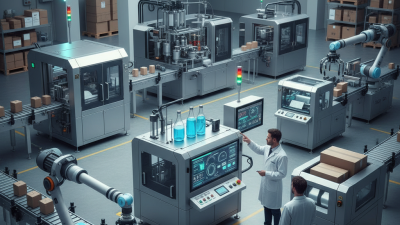
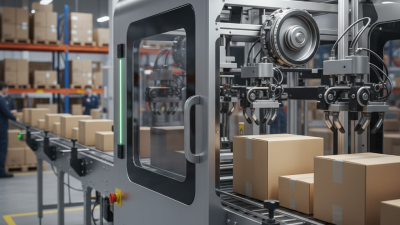
Innovative technologies are redefining the landscape of packaging equipment. Automation is at the heart of this transformation. Machines now integrate artificial intelligence, allowing for more precise operations. For example, smart sensors can detect product sizes and adjust packaging accordingly. This reduces waste and improves efficiency. In addition, smart technology helps predict maintenance, avoiding unexpected downtime.
Sustainable practices are also gaining traction. Compostable materials, along with energy-efficient machinery, attract buyers focused on eco-friendly solutions. However, the journey to sustainability is complex. Companies must balance cost with innovation. New technologies might require significant upfront investments. Yet, the long-term savings and environmental benefits often justify these expenses.
Customization is another key trend. Today's buyers want packaging tailored to their needs. This demand drives research and development in adaptable machinery. However, every innovation presents challenges. Ensuring that these machines remain user-friendly is essential. Engineers must consider ease of operation while integrating cutting-edge technology. Learning these new systems can take time, leading to potential implementation hiccups.
Cost-Benefit Analysis: Maximizing ROI on Packaging Equipment Investments
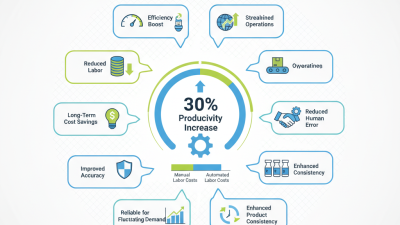
Investing in packaging equipment requires a careful cost-benefit analysis. Global buyers should prioritize maximizing return on investment (ROI). This analysis should cover initial costs, maintenance, and potential savings. By evaluating these factors, businesses can make informed decisions.
Energy efficiency is crucial in today's market. Equipment that saves energy can significantly lower operational costs over time. Moreover, consider durability. High-quality packaging machinery often costs more upfront, but its longevity leads to savings. Warranty periods and service support play essential roles in this evaluation.
Reflecting on the adoption of new technologies is important. Many companies hesitate to update their systems, fearing disruption. However, outdated equipment can lead to higher costs and inefficiencies. Regularly reviewing equipment performance and industry advancements can help identify needed changes. This ongoing assessment fosters a proactive approach to packaging investments.