What is a packaging machine and how does it work?
The packaging machine is essential in modern manufacturing. It automates the packaging process for various products, enhancing efficiency and accuracy. According to a recent industry report, the global packaging machinery market is expected to reach over $50 billion by 2026, growing at a CAGR of 5.5%. This growth highlights the importance of packaging machines in streamlining production lines.
Understanding how a packaging machine operates is vital for businesses aiming to stay competitive. These machines are designed to fill, seal, label, and box products efficiently. They can significantly reduce labor costs and minimize packaging errors. However, many companies struggle with choosing the right machine for their needs. It is crucial to evaluate machine specifications, production speed, and flexibility.
In addition to efficiency, safety is a concern. Improperly maintained machines can lead to product contamination or malfunctions. Regular inspections and employee training play a vital role in maintaining safety standards. As businesses navigate these challenges, a reliable packaging machine can become a crucial asset in achieving operational success. Enhancing knowledge about these machines is beneficial for anyone involved in production.
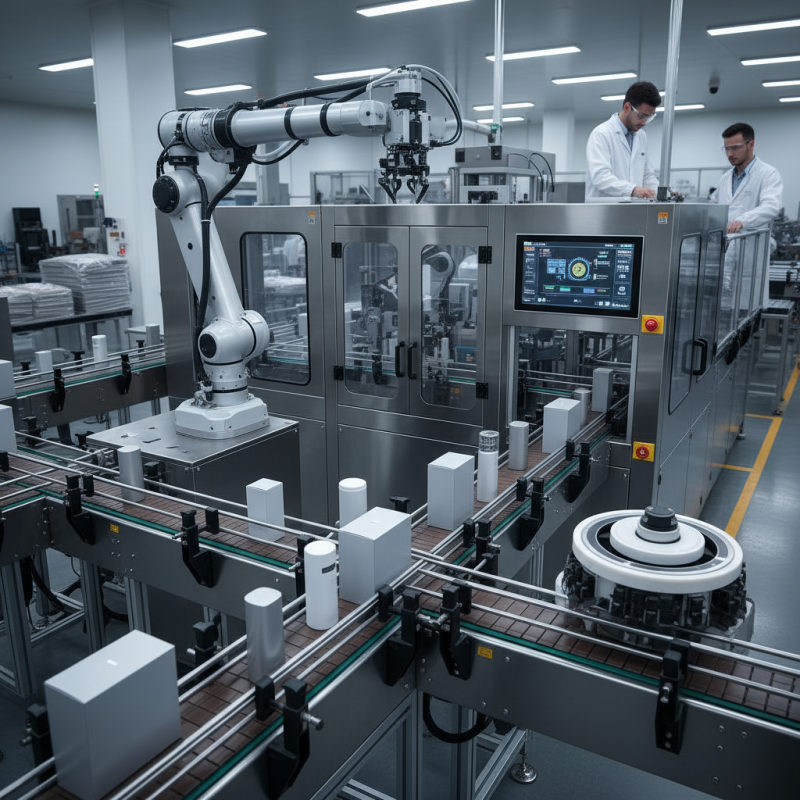
What is a Packaging Machine?
A packaging machine plays a crucial role in modern manufacturing and distribution. It automates the process of packing products, which enhances efficiency. This type of machinery is designed to package a wide range of items, from food products to electronics. An ideal packaging machine not only secures goods but also protects them during handling and shipping.
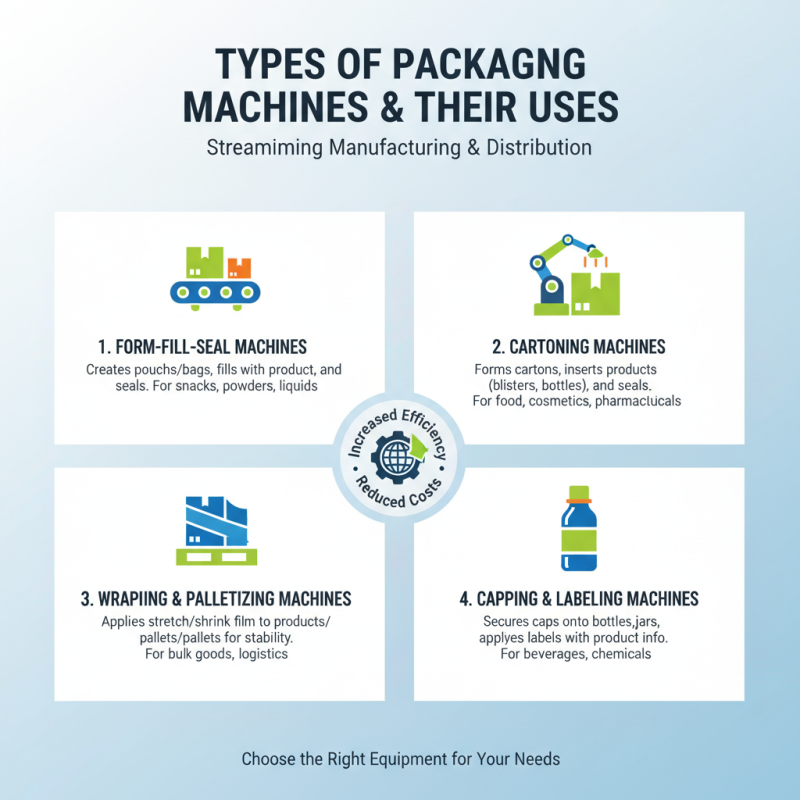
These machines come in various forms, each serving specific needs. Some are built to fill, seal, and label containers. Others can wrap products tightly with protective materials. They often include advanced technology to adjust speed and precision. Yet, not every machine suits every product. Choosing the right one can be a challenge, highlighting the importance of understanding equipment capabilities. It requires careful consideration of product type and packing needs.
Despite their benefits, packaging machines are not without flaws. They may malfunction or need frequent maintenance. Operators must be trained properly to avoid errors. Some machines may not be adaptable for different products, leading to waste. Reflecting on these challenges can help improve processes over time. Understanding these nuances fosters better decision-making in manufacturing and logistics settings.
Key Components of a Packaging Machine
A packaging machine plays a crucial role in various industries. Understanding its key components reveals how it functions effectively. These components include feeders, forming devices, fillers, and sealing mechanisms. Each part contributes to the efficiency of the packaging process.
Feeders are responsible for placing products onto the machine. They can be vibratory or volumetric. Forming devices shape the packaging material into the required form. This stage involves precise measurement. Fillers then dispense the correct quantity of product into the formed pack. This part of the process requires accuracy to minimize waste.
Sealing mechanisms ensure the package is properly closed. The integrity of packages relies on effective sealing. Operators must regularly check these components for wear and tear. Regular maintenance can prevent unexpected breakdowns. Understanding these elements can help operators improve packaging efficiency. Observations may show that even minor adjustments can yield better results.
The Working Mechanism of Packaging Machines
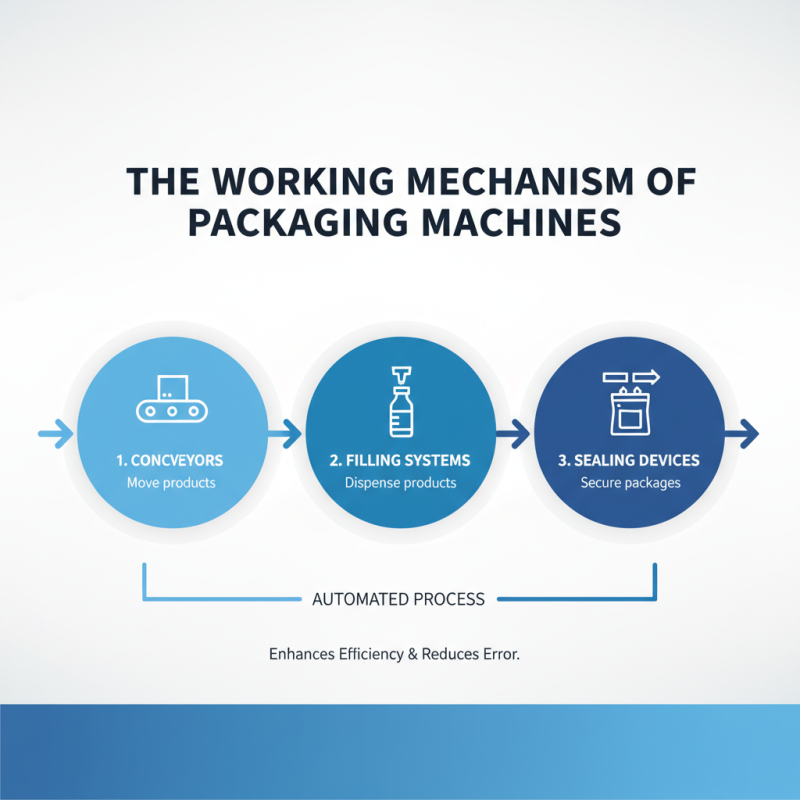
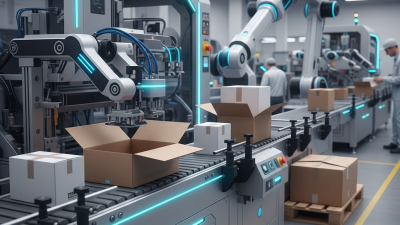
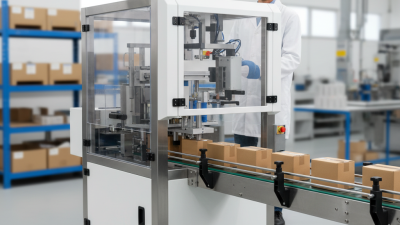
Packaging machines play a crucial role in the manufacturing process. They automate the packaging of products, enhancing efficiency and reducing human error. The working mechanism of these machines relies on various components that function together. For instance, they usually include conveyors, filling systems, and sealing devices.
Conveyors transport products to different stations. At the filling station, materials are added according to specified measurements. This step requires precision, as inconsistencies can lead to waste. After filling, the machine moves the products to the sealing area. Here, heat or pressure seals packages to ensure freshness. However, improper sealing can lead to contamination.
Operators must monitor the equipment to ensure smooth operation. Blockages or mechanical faults can disrupt the entire system. Regular maintenance and calibration are essential to prevent breakdowns. Even the best machines require constant attention and occasional adjustments. Such vigilance ensures that the packaging process remains efficient and reliable.
Applications of Packaging Machines in Various Industries
Packaging machines play a crucial role across various industries. In food production, these machines ensure that products remain fresh and safe. They can fill, seal, and label items quickly and efficiently. For instance, a packing machine can take bulk items like pasta and weigh them accurately before sealing them in bags. This process not only saves time but also reduces human error.
In the pharmaceutical industry, packaging machines protect sensitive products. They use blister packs to shield pills from moisture and contamination. Advanced machines can also track each package, ensuring compliance with regulations. This level of precision is critical for patient safety. However, the industry must continuously adapt to new technologies. Some machines may struggle with unique shapes or sizes of products, leading to inefficiencies.
The cosmetics industry benefits from packaging machines too. They help create attractive and functional packaging that stands out on shelves. For example, a lotion bottle might be filled and capped by a machine in a matter of seconds. Yet, implementing such machinery can be challenging. Some brands may face difficulties integrating new systems with existing workflows. This requires careful planning and training to ensure a smooth transition. Each industry finds unique ways to leverage these machines, highlighting the importance of innovation and adaptability.
Applications of Packaging Machines in Various Industries
This bar chart illustrates the applications of packaging machines in different industries, showcasing their usage percentage across food, pharmaceuticals, cosmetics, and electronics.