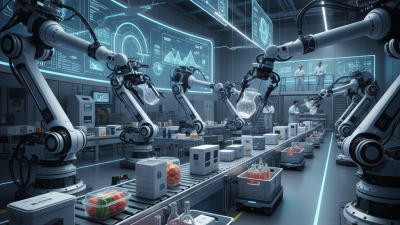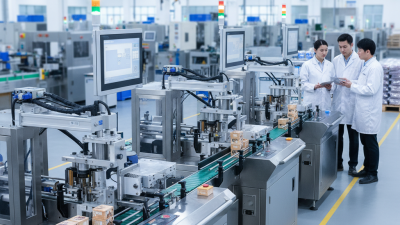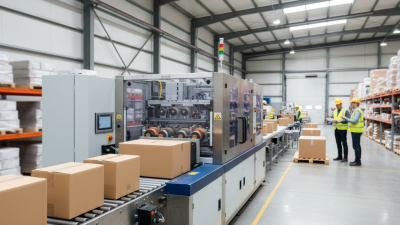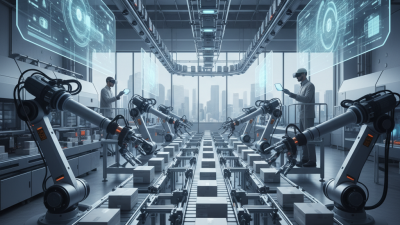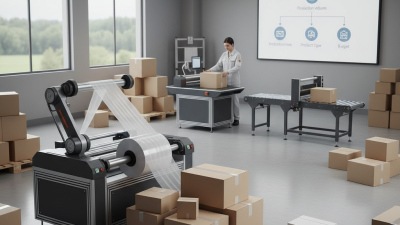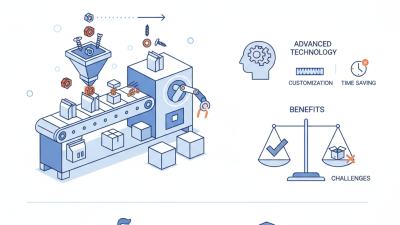
In recent years, the demand for automation in packaging has surged. Companies seek to improve efficiency and reduce labor costs. The robotic packing machine has emerged as a key solution in this landscape. These machines enhance precision and speed in various packaging processes. As industries evolve, the role of robotics in packing becomes more prominent and vital.
China is a leader in manufacturing robotic packing machines. This market offers diverse options tailored to different industry needs. Many top manufacturers focus on continuous innovation. They strive to provide machines that not only optimize productivity but also ensure reliability and safety. Quality should never be compromised, even in the quest for efficiency.
However, selecting the right robotic packing machine can be challenging. Factors such as cost, technology, and integration should be carefully considered. It’s important to analyze various models before making a decision. With numerous options available, businesses must remain mindful of their unique requirements. The right choice is crucial for achieving operational excellence in the packaging line.
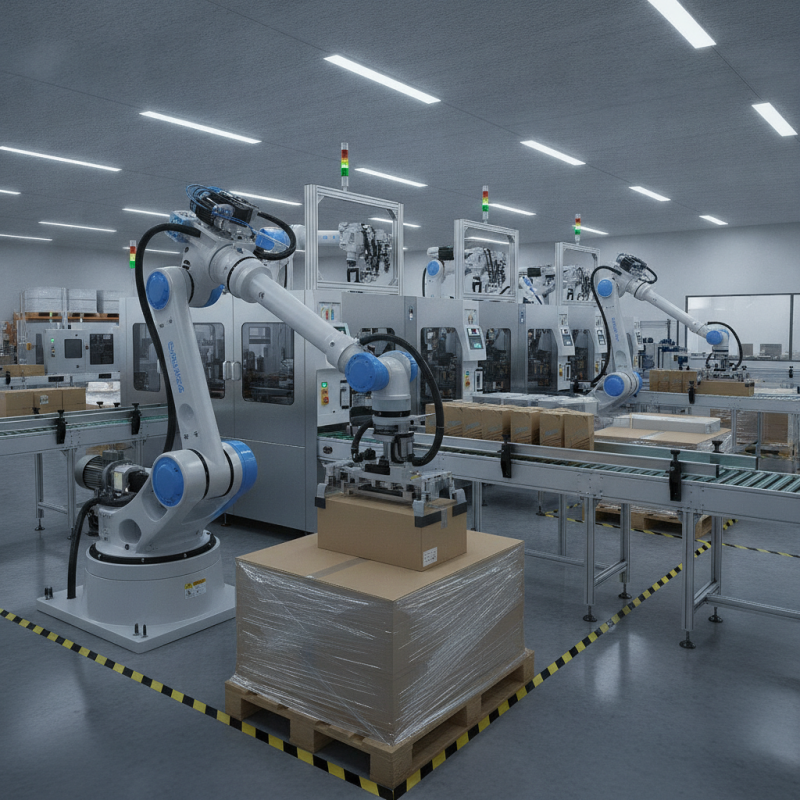
The landscape of robotic packing machines in China has evolved rapidly. Studies show that the demand for automation in packaging has surged by 20% annually. This growth is driven by increased consumer expectations for efficiency and quality. Companies are turning to robotics to streamline their operations, reduce labor costs, and enhance productivity.
Chinese manufacturers have embraced robotics due to their precision. Robotic packing systems can handle various products, ensuring consistent quality. According to a report from the China National Packaging Association, about 60% of packaging firms have implemented some level of automation. However, the transition is not without challenges. Many firms struggle with integrating these systems into existing workflows. Technical difficulties can arise, leading to potential downtime and inefficiencies.
Market research indicates that small to medium enterprises (SMEs) often face hurdles when investing in robotic technology. High upfront costs and a lack of skilled workforce can deter them. Moreover, while automation boosts throughput, over-reliance on robotics may reduce workforce skills over time. Balancing technology with human expertise remains crucial for sustainable growth in this sector.
| Machine Model | Type | Max Speed (packs/min) | Dimensions (L x W x H mm) | Weight (kg) | Power Consumption (kW) |
|---|---|---|---|---|---|
| Model A | Vertical Wrapper | 120 | 2500 x 1200 x 1800 | 800 | 3.5 |
| Model B | Horizontal Wrapper | 100 | 2800 x 1400 x 1600 | 750 | 4.0 |
| Model C | Robotic Arm | 90 | 3000 x 1600 x 1800 | 1000 | 5.0 |
| Model D | Case Packer | 80 | 3200 x 1800 x 2000 | 1200 | 6.5 |
| Model E | Palletizer | 70 | 3500 x 2000 x 2200 | 1500 | 7.0 |
| Model F | Shrink Wrapper | 110 | 2900 x 1100 x 1700 | 700 | 3.0 |
| Model G | Bagger | 95 | 2700 x 1300 x 1900 | 900 | 4.5 |
| Model H | Fill and Seal | 85 | 3100 x 1400 x 2100 | 850 | 5.5 |
| Model I | Carton Sealer | 75 | 3600 x 2200 x 2500 | 1300 | 8.0 |
| Model J | Labeling Machine | 115 | 2500 x 1250 x 1750 | 600 | 2.5 |
Robotic packing machines are revolutionizing automation in manufacturing and logistics. These advanced systems improve efficiency and accuracy, which are crucial in a competitive market. A core feature is their ability to handle various products, from fragile items to heavy packages. This versatility allows companies to optimize their workflows and reduce manual labor costs.
Another significant benefit is the increased speed of packing processes. Robots can work continuously without breaks, drastically reducing operational time. Additionally, they minimize human error, ensuring a higher consistency in packaging quality. The flexibility of programming and customization also means that robots can adapt to different packaging requirements easily.
However, the integration of robotic packing machines can be challenging. Companies may face issues like high initial costs and the need for staff training. Not every business may experience immediate benefits. Assessing production needs before implementation is crucial. Focusing on gradual integration can lead to more sustainable long-term improvements. Adopting this technology requires careful planning to truly maximize its potential.
Robotic packing machines play a crucial role in modern manufacturing. In China, several top manufacturers are leading this field. These companies specialize in designing and producing advanced robotic systems that streamline packing processes. They focus on various industries, from food and beverage to electronics and pharmaceuticals.
One of the notable trends is the rise of automation in packing lines. Manufacturers are increasingly investing in technologies that enhance efficiency and reduce labor costs. Many machines are capable of handling different product types, adapting quickly to changing packaging needs. However, this rapid development can lead to challenges. For instance, integrating new machines with existing systems may require significant adjustments.
Despite the technological advancements, some manufacturers face difficulties in maintaining quality standards. Issues may arise during high-speed operations, leading to packaging errors. Continuous innovation is necessary to address these concerns. Proper training for operators is equally important to ensure smooth machine operation. The journey towards automated excellence is ongoing, with room for improvement and reflection in the industry.
Robotic packing machines have become pivotal across various industries in China. These machines enhance efficiency and reduce labor costs. According to a recent report by MarketsandMarkets, the global robotic packing market is projected to reach $9.75 billion by 2025, driven by the demand for automation.
In the food and beverage industry, robotic packing systems streamline operations. They can handle delicate items without damaging them, ensuring quality control. For example, a well-implemented robotic system can pack thousands of bottles per hour with precision. The pharmaceutical sector also benefits from automation. Robotic systems offer strict adherence to hygiene standards and packaging accuracy, reducing human error significantly.
However, not all deployments are seamless. Challenges such as initial costs and maintenance issues can arise. Implementing a robotic system requires careful planning and integration into existing workflows. Inaccuracies during the transition can impact productivity. Continuous training and adaptation are crucial as technology evolves. This highlights the importance of an adaptable workforce and a thorough understanding of the automation process.
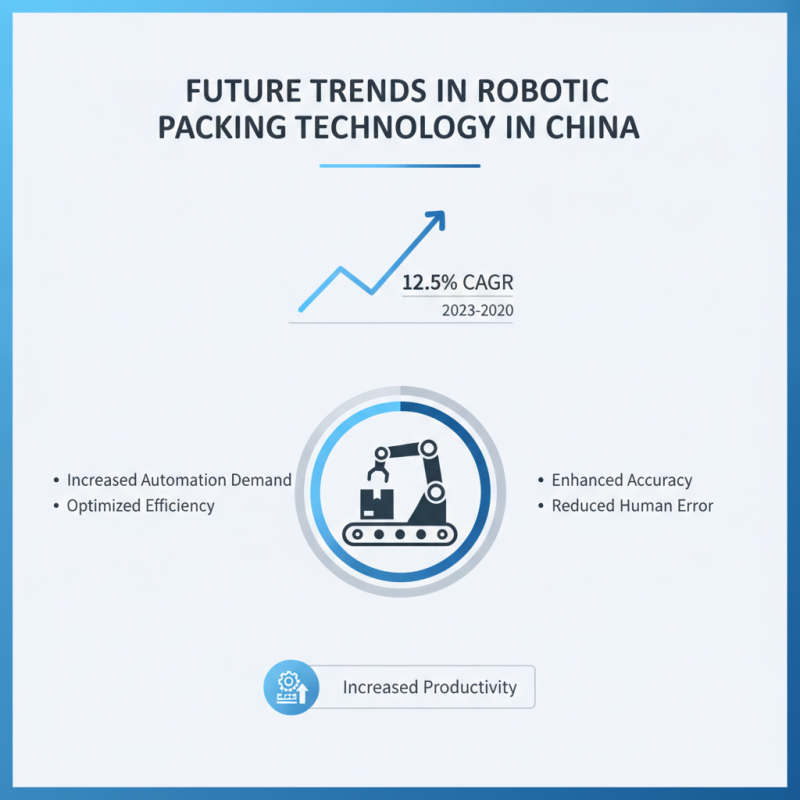
Robotic packing technology is poised for significant advancements in China. The industry is expected to grow at a compound annual growth rate (CAGR) of 12.5% from 2023 to 2030, driven by rising demand for automation in various sectors. Companies are increasingly seeking solutions that optimize efficiency while maintaining accuracy in packaging processes. Automation minimizes human error, leading to increased productivity.
One notable trend is the integration of artificial intelligence in robotic solutions. AI enhances the capabilities of packing machines by enabling adaptive learning. This allows machines to analyze and adjust their performance based on real-time data. A recent report indicates that companies utilizing AI see an average efficiency increase of 20%. However, challenges remain in achieving seamless integration with existing systems.
**Tip:** Regular training for operators is crucial to maximize the benefits of new technology. Understanding the machine’s capabilities leads to fewer mistakes and higher output.
The future of robotic packing also includes a focus on sustainability. More manufacturers are investing in eco-friendly materials and processes. A McKinsey report suggests that 30% of packing machines in the next decade will utilize biodegradable materials. This shift reflects growing consumer demand for sustainable practices and creates new opportunities in the packaging market. Adapting to this trend can enhance brand reputation, but companies must remain vigilant about the costs and feasibility of new materials.