What is a small sachet filling machine and how does it work?
In today’s fast-paced market, efficiency is key. The small sachet filling machine stands out as an essential tool for many industries. It allows businesses to package products quickly and effectively. These machines are designed for small-scale operations, offering flexibility and ease of use.
A small sachet filling machine can handle various materials, including powders, liquids, and granules. This versatility makes it valuable for food, cosmetics, and pharmaceutical sectors. It provides precise filling capabilities, ensuring consistent product quality. The automation aspect saves labor costs while increasing production speed.
However, using a small sachet filling machine comes with challenges. Ensuring proper maintenance is crucial for optimal performance. Sometimes, adjustments are needed to accommodate different product textures. Additionally, training staff to operate these machines can take time. Such factors highlight the importance of careful planning and execution in any packaging operation.
Definition of a Small Sachet Filling Machine
A small sachet filling machine is a specialized device designed for packaging various products into small sachets. These sachets can hold powders, granules, or liquids. The machine automates the filling process, increasing efficiency in production lines. The technology has seen advancements that allow for precise measurements and fast operation. According to industry reports, the demand for sachet packaging is forecasted to grow by 5.6% annually, driven by the food and pharmaceutical sectors.
The essential function of a small sachet filling machine is to accurately dispense materials into predefined packets. It utilizes various filling methods, including augers for powders or piston fillers for liquids. Efficiency is key in high-volume production environments. Systems often feature sensors to detect fill levels, which helps maintain quality assurance. Despite these advancements, some machines can face challenges like clogging or inconsistent fill weights. Regular maintenance is critical to address these issues.
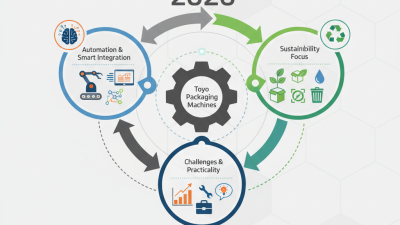
Market research indicates that as more companies seek sustainable packaging options, the design of sachet machines is evolving. A focus on materials that reduce waste is becoming prominent. However, this shift may require initial investments in newer technology. Additionally, operators must be trained to handle complex machinery. Balancing between efficiency and sustainability remains a challenge within the industry as demands evolve.
Components of a Small Sachet Filling Machine
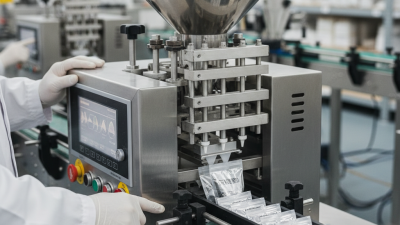
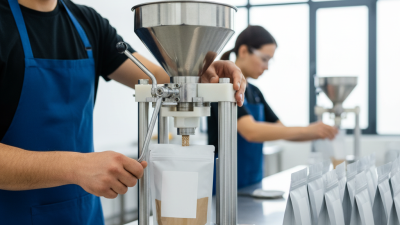
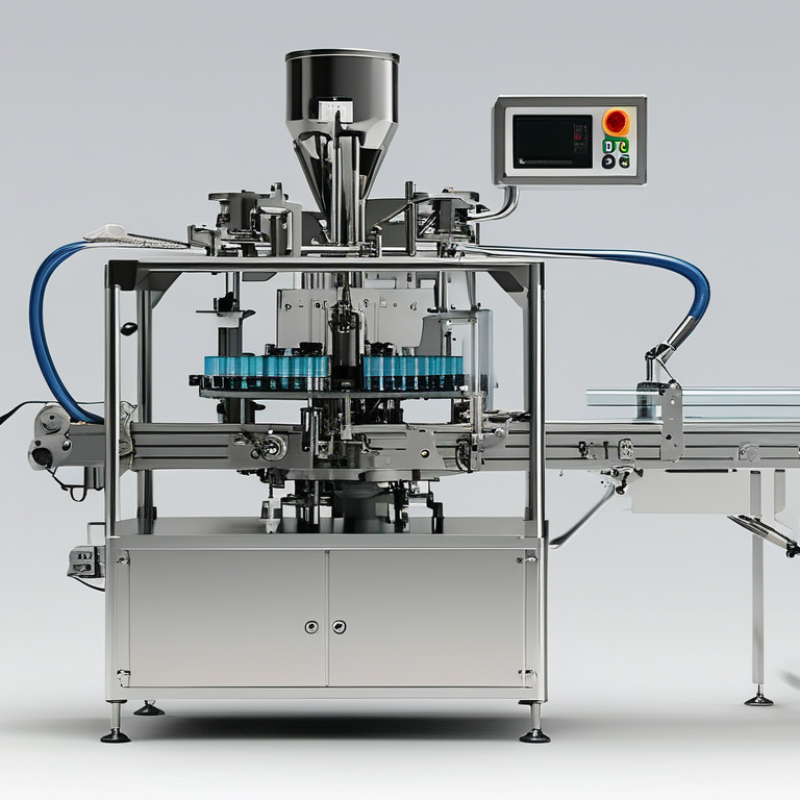
A small sachet filling machine is essential in various industries, particularly in food and pharmaceuticals. These machines ensure precise filling of sachets with products like sugar, spices, and powders. Key components include a hopper, which holds the product, and a filling device that dispenses it into the sachets. The machine can operate manually or automatically, enhancing production efficiency.
The sealing system is another crucial component. It ensures the sachets are securely closed after filling. This helps maintain product freshness and prevents contamination. According to a recent market report, the demand for sachet packaging is projected to grow at a CAGR of 5.1% through 2026, emphasizing the importance of reliable filling machines in meeting this demand.
Tips: Regular maintenance of the machine can prevent costly breakdowns. Ensure all components are clean and functioning properly before starting production. Proper calibration of the filling device can enhance accuracy and minimize waste. Remember, even minor adjustments can significantly impact performance. Reflection on the operational process can lead to continuous improvement in efficiency and product quality.
How Small Sachet Filling Machines Operate
Small sachet filling machines are essential in various industries. They are designed to automate the packing of powders, granules, liquids, and pastes into small sachets. This equipment is favored for its efficiency and accuracy in filling. According to industry reports, the market for sachet filling machines is projected to grow by 7% annually, driven by the increasing demand for convenient packaging solutions.
These machines operate by first feeding materials into a hopper. The material is transported through a screw or auger. This system ensures that a precise amount is dispensed into preformed sachets. Sensors and control systems monitor the filling process, ensuring uniformity. In many cases, users can adjust the machine's settings to cater to different types of products or varying fill weights. However, ensuring clean and sanitized equipment can sometimes be a challenge, especially in food applications.
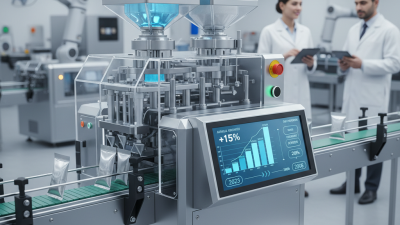
The integration of technology plays a crucial role in optimizing performance. Many machines now include automation features, like touch screens for easy operation. However, transitioning to fully automated processes may lead to initial production hurdles. Understanding the intricacies of these machines is essential for maximizing efficiency. Companies must consider training for operators to handle the equipment properly. This can minimize errors during the filling process while maximizing output quality.
Applications of Small Sachet Filling Machines in Various Industries
Small sachet filling machines are versatile tools used across many industries. These machines efficiently package products into small sachets, which can hold liquids, powders, or granules. They are widely employed in food, pharmaceuticals, cosmetics, and agricultural sectors. For instance, small sachets of sugar or seasoning are common in restaurants. In pharmaceuticals, single-dose sachets ensure accurate medication dispensing. This method enhances convenience and minimizes contamination risks.
The design of small sachet filling machines allows for high precision and speed. They can handle various materials, including granulated sugar, powdered spices, and even liquid medications. Operators appreciate their compact size and ability to fit into smaller production spaces. The machines often come with automated features, reducing manual labor. However, user training is critical to maximize efficiency and minimize errors. A miscalculation in filling can lead to wasteful overfilling or underfilling.
Despite their advantages, these machines require careful calibration. Slight adjustments can affect the fill weight. Operators must perform regular maintenance, which can be time-consuming. Inconsistent production quality can lead to customer dissatisfaction. Manufacturers need to ensure rigorous testing of the machines before use. Balancing speed and accuracy can be a challenging endeavor for many users in different sectors.
What is a small sachet filling machine and how does it work? - Applications of Small Sachet Filling Machines in Various Industries
| Industry |
Application |
Machine Features |
Filling Capacity (per hour) |
| Food Processing |
Packaging spices and seasonings |
Compact design, adjustable fill volume |
2000 |
| Cosmetics |
Filling single-use samples |
Easy cleanup, various pouch sizes |
1500 |
| Pharmaceuticals |
Packaging herbal powders |
High precision, safety features |
1000 |
| Chemical |
Filling cleaning agents |
Corrosion-resistant materials, automation |
1800 |
| Agriculture |
Packing seeds and fertilizers |
Robust construction, dust-proof |
2500 |
Benefits of Using Small Sachet Filling Machines for Packaging
Small sachet filling machines play a crucial role in modern packaging. They provide efficient solutions for industries like food, pharmaceuticals, and cosmetics. According to a report by Research and Markets, the global sachet packaging market is expected to grow at a CAGR of 4.5% from 2021 to 2026. This growth is largely attributed to the increasing demand for convenient, single-use products.
One of the main benefits of small sachet filling machines is their ability to enhance productivity. They can fill and seal multiple sachets within minutes, significantly reducing labor costs. For example, a machine can fill up to 200 sachets per minute, depending on the product. This efficiency enables companies to respond quickly to market demands.
When considering a small sachet filling machine, think about material compatibility. Some machines work better with powders, while others excel with liquids. Always test different machines to see which fits best.
Another important factor is machine maintenance. Regular checks can prevent breakdowns, ensuring smooth operations. A small oversight can lead to considerable downtime. Therefore, develop a routine maintenance schedule for your machines. Prioritize training for your staff to minimize errors during operation.