Top Tips for Choosing the Best Product Packing Machine?
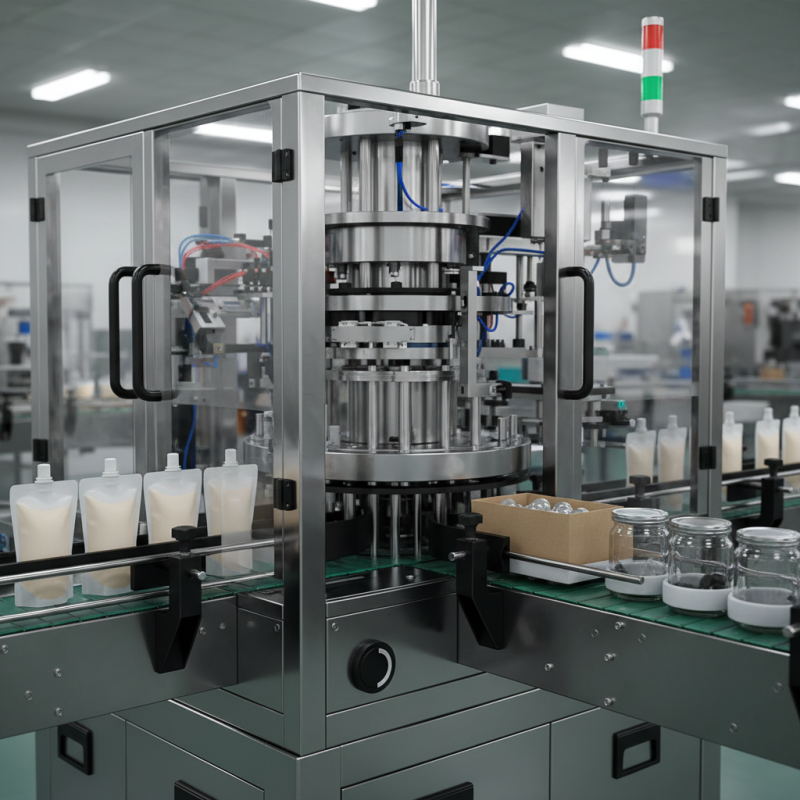
Choosing the right product packing machine is crucial for any business. It affects efficiency, cost, and customer satisfaction. The options available today can be overwhelming. Each type of machine has its own features and benefits.
Consider your specific needs. What product do you pack? For example, liquids, solids, or fragile items require different machines. Think about speed too. Some machines can handle hundreds of units per hour. Others are slower but offer more versatility.
Don’t forget to evaluate your budget. High-end machines may include advanced technology but cost more. Ensure the chosen product packing machine aligns with your operational goals. Reflecting on these aspects can lead to better decision-making.
Understanding the Different Types of Product Packing Machines
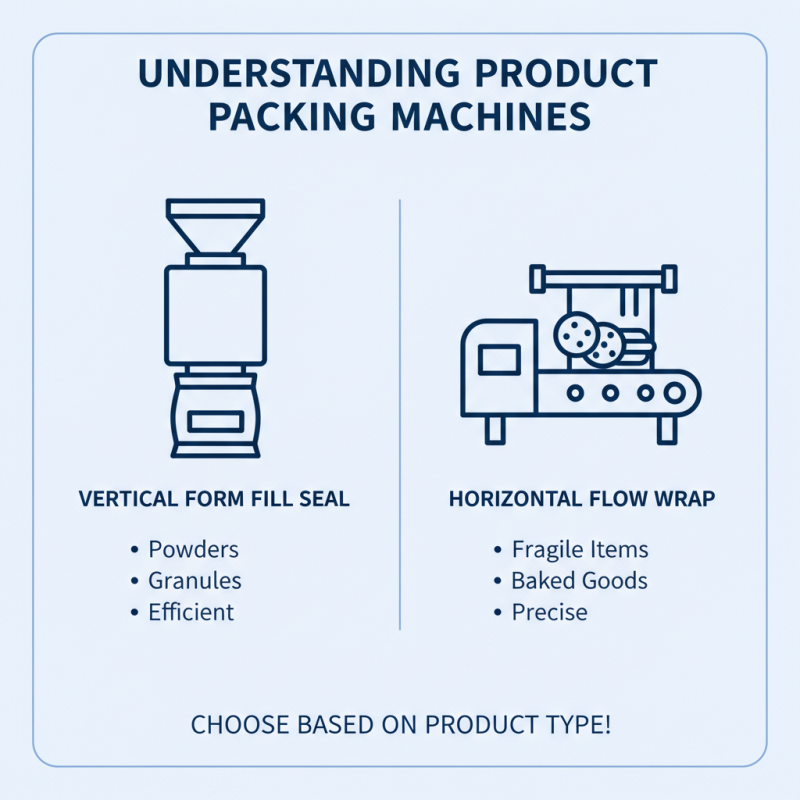
When selecting a product packing machine, understanding the different types available is crucial. There are several categories, each designed for specific packaging tasks. For example, vertical form fill seal machines are efficient for powders and granules. On the other hand, horizontal machines excel at packaging fragile items, such as baked goods. Knowing the nature of your product will guide you in choosing the right type.
Consider the production speed you need. High-speed machines may seem like a great choice, but they require careful handling and maintenance. Sometimes, a slower machine can produce better quality packaging. Evaluate the volume of production versus time spent on operating the machine. Efficiency is essential but remember, quality matters.
Another important point is automation vs. manual operation. Automated machines can reduce labor costs but may need more upfront investment. Manual machines are cost-effective for smaller operations, yet they demand more workforce engagement. It is wise to reflect on your operational scale before making a decision. Always ensure the machine aligns with your business needs.
Evaluating Your Business Needs for Packing Solutions
When evaluating your business needs for packing solutions, start by analyzing your production volume. Reports indicate that businesses with higher output should consider fully automated machines. These can handle large quantities efficiently. However, inefficient packing processes can lead to wasted time and materials. A 2022 study revealed that 40% of companies faced delays due to outdated packing systems.
Next, assess the types of products you pack. Fragile items require different packaging than bulkier, sturdier products. For example, an electric component needs precise packing to avoid damage. Yet, some companies neglect to adapt their packing methods accordingly. This oversight can increase return rates and hurt customer satisfaction.
Cost is another crucial factor. While investing in advanced packing technology can boost efficiency, upfront costs may be daunting for smaller businesses. A survey found that 35% of small businesses spend over 15% of their budget on packaging alone. Rethinking your packing strategy should involve evaluating both initial costs and long-term savings. Explore options that balance investment and operational efficiency, without overlooking your unique needs.
Key Features to Look for in a Packing Machine
When selecting a packing machine, key features are vital. Speed is one crucial factor. A machine that operates efficiently can save time and increase output. Consider the specific production needs. A high-speed machine may be essential for larger operations, while a slower model suffices for smaller batches.
Adjustability is another important feature. A versatile packing machine can handle various product sizes and types. This adaptability minimizes downtime when switching between different products. Sometimes, machines are too rigid, leading to frustration. Finding the right balance between functionality and simplicity is essential.
Finally, ease of maintenance cannot be overlooked. A machine that requires constant repairs and parts replacement is a burden. Regular maintenance checks should be easy to perform. Users should have a clear understanding of how to monitor the machine’s condition. This aspect often gets ignored, yet it impacts long-term usability.
Performance Comparison of Different Product Packing Machines
Assessing Budget and Cost-Effectiveness of Packing Equipment
When selecting packing equipment, assessing budget and cost-effectiveness is crucial. Begin by determining your financial limits. It's easy to get carried away with advanced features. Some machines appear cheaper but incur high maintenance costs. Always factor in long-term expenses, not just the initial purchase price.
Look closely at the machine's efficiency. An efficient packing machine can save time and labor costs. Consider its speed and reliability. If it breaks down frequently, you will lose both time and money. It is worth investigating the machine's energy consumption as well. High energy costs can significantly impact your overall budget.
Lastly, think about scalability. A packing machine should grow with your business. Investing in a unit that cannot handle increased demand can be shortsighted. Evaluate your future needs carefully. Sometimes, an investment in a more expensive, robust machine pays off in the long run. Reflect on your production goals to ensure you are making an informed decision. More features may not always mean better value.
Selecting a Supplier for Quality and Support in Packing Machines
When selecting a supplier for packing machines, quality is paramount. In 2022, the global packing machinery market was valued at approximately $46.4 billion and projected to grow at a CAGR of 4.3% from 2023 to 2028. This suggests a competitive landscape where choosing the right supplier can be crucial for success.
Look for suppliers with a strong reputation in the industry. They should offer comprehensive support, from installation to maintenance. Case studies show that companies with established supplier relationships experience 30% fewer machine downtimes. This statistic highlights the importance of reliable customer service. Inquire about the machine’s specific features and any customer feedback on performance. The best suppliers will provide transparent data on machine efficiency and effectiveness.
Consider the supplier's ability to adapt to your needs. Flexibility in machine customization can lead to better efficiency. However, some suppliers may overpromise their capabilities. Be wary of vague commitments. The right supplier will demonstrate clear processes and past successful adaptations. Ultimately, a well-chosen supplier becomes a partner, contributing to your operational goals in measurable ways.
Top Tips for Choosing the Best Product Packing Machine
| Feature |
Importance |
Considerations |
Supplier Support |
| Machine Speed |
High |
Assess production needs and scalability |
Availability of technical support |
| Flexibility |
Medium |
Compatibility with various packaging types |
Training and maintenance services offered |
| Energy Efficiency |
High |
Long-term cost savings |
Supplier's commitment to sustainable practices |
| Ease of Use |
High |
User-friendly interface and controls |
Responsive customer service |
| Cost |
Medium |
Budget constraints and ROI analysis |
Warranty and post-purchase support |