Choosing the right product packing machine can shape production speed, product quality, and long-term operating costs. It is not simply a matter of selecting the fastest model. A machine that looks impressive in a showroom may struggle with dusty powders, fragile snacks, irregular vegetables, or sticky liquids. Real products behave differently from samples.
Experienced buyers inspect the entire packing process before comparing brands. They measure product flow, package dimensions, target weights, sealing temperatures, and available floor space. They also check cleaning access, changeover time, noise levels, and operator training requirements. A reliable product packing machine should match present needs without blocking future growth. Compatibility matters too. Conveyors, weighing systems, printers, checkweighers, and metal detection equipment must work together.
Small details often reveal major weaknesses.
This guide examines the practical questions behind a confident purchase. It considers machine structure, automation level, material compatibility, maintenance support, and documented performance. Supplier references can provide useful evidence, but factory trials usually reveal more. Ask to test your own product and packaging film. Record speed, seal strength, accuracy, waste, and downtime. One trial may not represent every season or batch, so careful buyers repeat the evaluation when possible. That extra step can prevent expensive disappointment.
No machine is perfect.
Budgets also deserve honest review. A cheaper product packing machine may require more labor, repairs, or frequent adjustments. A highly automated model may exceed the needs of a smaller operation. The strongest decision balances measurable performance, worker safety, sanitation, service availability, and total ownership cost. This approach supports a practical investment rather than a rushed purchase based on attractive specifications alone.
How to Choose the Right Product Packing Machine?
Define Your Product, Packaging Format, and Production Goals
Start with the product, not the machine. A fine powder may drift into sealing areas, while sticky sauces can leave residue on filling nozzles. Granules need consistent volume control. Fragile items require gentle handling and stable product flow. Record the product’s weight, density, moisture level, temperature, and shape before requesting equipment specifications.
Then define the packaging format. A small sachet, stand-up pouch, bottle, tray, or carton needs a different filling and sealing method. Check the package dimensions, film thickness, seal width, and opening style. Ask for sample trials using your actual product and materials. Laboratory results can look excellent, but production conditions may expose feeding problems.
Set measurable production goals. Include packs per minute, target weight accuracy, labor availability, changeover time, floor space, and future capacity. A faster machine is not always better. Excess speed may increase product damage, waste, or rejected seals. I have seen projects focus heavily on output while overlooking cleaning access and operator training. That decision created avoidable downtime.
Leave room for reality. Products change slightly between batches. Packaging film may also vary. Choose controls that allow practical adjustments without complicated procedures. Review maintenance access, spare parts, safety features, and technical support. A reliable packing solution should match today’s product and tolerate tomorrow’s small surprises.
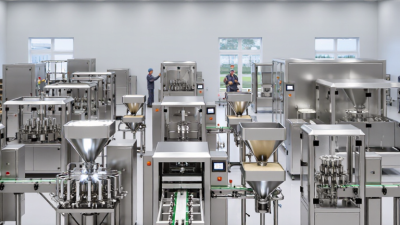
Define your product characteristics, preferred packaging format, and required production speed before selecting a machine.
The chart shows indicative throughput ranges commonly associated with major packaging formats, measured in packs per minute. Horizontal flow wrapping is often suitable for high-speed solid products, while premade pouch and vertical form-fill-seal systems offer greater flexibility for irregular products, powders, and granules. Actual output depends on product size, filling accuracy, sealing requirements, package material, and line automation.
The right packing machine starts with the product, not the machine catalogue. A fragile snack may need gentle vertical filling, while dense powder often requires an auger system. Liquids need controlled pumps, cleanable contact parts, and accurate fill settings. Test the product at its real temperature and moisture level. Small differences matter.
PMMI’s 2024 State of the Industry report places U.S. packaging machinery shipments above 10 billion dollars in 2023. It also identifies automation and labor shortages as important investment drivers.
This growth does not mean every product needs a fully automated line. A semi-automatic machine may suit seasonal production better. It can reduce capital pressure and simplify operator training.
Packaging requirements narrow the choice further. Pillow bags, sachets, cartons, and trays each demand different forming and sealing methods. The material also matters. Recyclable films may require tighter temperature control and longer sealing dwell times. According to Smithers’ packaging market research, sustainability continues to influence material and equipment decisions worldwide. Ask for trials using your actual product and film. Measure seal strength, weight variation, speed, cleaning time, and rejected packs. A perfect match is rare. I have seen fast machines create more waste than slower ones. That result deserves a second review before purchase.
Choosing a packing machine starts with your production reality, not a brochure’s highest speed. Measure hourly demand, product size, and package weight during normal shifts. A machine rated for 120 packs per minute may deliver less with frequent stops. Check actual output from a similar product. Speed matters, but unstable speed creates waste.
Accuracy protects both margins and customer trust. Test fill-weight consistency across several production runs. Ask for tolerance data, calibration procedures, and records from factory trials. Flexibility is equally important. Adjustable sealing temperature, changeable forming parts, and recipe storage can reduce changeover time. However, too many adjustments may confuse operators. I have seen technically capable equipment perform poorly when settings were unclear.
Tips: Compare the machine’s measured output, not its advertised maximum. Request a live demonstration with your product. Record changeover minutes, rejected packs, and cleaning time. Also examine automation levels carefully. Automatic feeding, inspection, and error alerts can reduce labor pressure. Yet full automation is not always the best choice for smaller operations. It may increase maintenance demands and require stronger technical training. Leave room for human checks. Machines are precise, but they do not understand every unusual product condition.
Choosing the right product packing machine starts with material compatibility, not machine speed. Test the film, pouch, carton, or container on the actual sealing path. Check heat resistance, thickness, friction, moisture, and chemical contact. A glossy film may slide beautifully, then wrinkle near the sealing jaws. I have seen small changes in humidity alter feeding accuracy.
PMMI’s 2023 U.S. Packaging Machinery Shipments Study valued 2022 shipments at approximately $10.2 billion. That investment makes testing essential, especially when one machine handles several formats. Ask for sample trials using your real product and packaging. Measure seal strength, leakage, waste, changeover time, and cleaning access. A laboratory result can look perfect. Production conditions may disagree.
Space planning is equally practical. Measure ceiling height, service clearance, operator movement, electrical access, and material storage. Leave room for safe maintenance, not just installation. Safety features deserve careful inspection. OSHA estimates that machine guarding failures contribute to thousands of serious injuries and amputations each year in the workplace. Select interlocked guards, emergency stops, protected sealing areas, and clear access controls. ISO 12100 also supports risk assessment during machine design and selection. Do not accept a safety label as proof of suitability. Confirm the safeguards during a live demonstration, because operators often discover inconvenient gaps that specifications overlook.
| Machine Type | Best-Suited Products | Compatible Packaging Materials | Typical Pack Formats | Typical Footprint | Typical Output Range | Material Compatibility | Space and Layout Considerations | Key Safety Features to Check | Best Choice When... |
|---|---|---|---|---|---|---|---|---|---|
| Vertical Form-Fill-Seal Machine | Powders, granules, snacks, dried foods, seeds, and small hardware items | Heat-sealable laminated film, polyethylene-based film, polypropylene-based film, and paper-laminated structures | Pillow bags, gusseted bags, block-bottom bags, and sachets | Approximately 1.0–2.5 m², excluding conveyors and product feeders | Approximately 20–120 bags per minute, depending on product, bag size, and sealing method | Excellent for roll-stock film | Requires vertical clearance above the machine for the film reel, forming tube, and product-feeding system | Guard doors with interlocks, emergency-stop buttons, over-temperature protection, film-end detection, and sealed electrical controls | You need flexible bag sizes and efficient use of floor space |
| Horizontal Flow-Wrapping Machine | Biscuits, bakery products, soap bars, stationery, medical supplies, and single products with a stable shape | Heat-sealable polyethylene, polypropylene, laminated film, and recyclable mono-material film where supported by the sealing system | Three-side-sealed pillow packs and fin-seal packs | Approximately 2.5–6.0 m², depending on infeed and discharge conveyors | Approximately 40–300 packs per minute, depending on product dimensions and machine configuration | Excellent for continuous web film | Needs a long, straight production line and sufficient clearance for product infeed and film access | Interlocked guarding, emergency stops, no-product/no-bag controls, overload protection, and guarded rotating components | You are packing individual products at medium to high speed |
| Premade Pouch Filling and Sealing Machine | Stand-up pouches, flat pouches, liquids, sauces, powders, snacks, and pet food | Premade laminated pouches, aluminum-foil laminates, polyethylene pouches, polypropylene pouches, and approved recyclable pouch structures | Flat pouches, stand-up pouches, zipper pouches, spouted pouches, and resealable pouches | Approximately 3.0–8.0 m², depending on pouch magazine, filler, and optional modules | Approximately 20–80 pouches per minute, depending on pouch size, filling method, and sealing stages | Excellent for premade pouches | Requires space for pouch loading, pouch storage, filling equipment, and downstream inspection | Access-door interlocks, pouch-presence sensors, product-level monitoring, seal-temperature control, and emergency stops | You want premium pouch shapes, zippers, spouts, or easy-open features |
| Cartoning Machine | Bottles, tubes, blister packs, sachets, cartons of food, and personal-care products | Folding carton board, coated carton board, recycled carton board, and pre-glued or tuck-end cartons | Horizontal cartons, vertical cartons, tuck-end cartons, and glued cartons | Approximately 4.0–12.0 m², depending on carton magazine and product infeed configuration | Approximately 30–250 cartons per minute, depending on carton style and product handling requirements | Good for rigid carton board | Needs adequate access for carton magazines, glue systems, changeover parts, and maintenance activities | Guarding around folding and closing mechanisms, carton-missing detection, overload clutches, emergency stops, and glue-temperature controls | You need secondary packaging, product protection, or retail-ready presentation |
| Case Packer and Case Sealer | Cartons, bottles, cans, pouches, and grouped consumer products | Corrugated fiberboard cases, kraft cases, recycled corrugated board, hot-melt adhesive, and pressure-sensitive tape | Regular slotted cases, wraparound cases, tray packs, and sealed shipping cases | Approximately 5.0–18.0 m², excluding palletizing equipment | Approximately 5–30 cases per minute, depending on case size and packing pattern | Excellent for corrugated cases | Requires long conveyors, case-blank storage, operator access, and sufficient clearance around sealing equipment | Safety fencing, access interlocks, jam detection, guarded compression belts, adhesive temperature protection, and emergency stops | You need transport packaging for warehouse handling or distribution |
| Container Filling and Capping Line | Liquids, viscous products, creams, detergents, beverages, oils, and pharmaceutical preparations | Plastic bottles, glass bottles, metal containers, HDPE, PET, polypropylene, and compatible closure materials | Bottles, jars, vials, cans, and capped containers | Approximately 4.0–20.0 m², depending on rinsing, filling, capping, labeling, and inspection modules | Approximately 20–300 containers per minute, depending on fill volume, viscosity, and number of filling heads | Good; verify chemical and temperature resistance | Requires line space for conveyors, liquid supply, drainage where applicable, and cleaning access | Overflow and underfill detection, no-container/no-fill controls, guarded moving parts, leak protection, emergency stops, and hygienic design | You are packing liquid or semi-liquid products into rigid containers |
| Vacuum Packaging Machine | Meat, cheese, seafood, coffee, medical devices, and products requiring reduced air exposure | Vacuum-capable barrier pouches, multilayer films, nylon-based laminates, and high-barrier thermoforming webs | Vacuum pouches, thermoformed packs, skin packs, and modified-atmosphere packs when equipped for gas flushing | Approximately 1.5–10.0 m², depending on chamber size and conveyor configuration | Approximately 2–20 cycles per minute for chamber systems; higher rates are possible with continuous systems | Excellent for barrier vacuum films | Needs room for pouch loading, vacuum-pump servicing, product handling, and cleaning | Chamber-lock monitoring, lid interlocks, vacuum-pressure controls, sealing-temperature monitoring, and emergency stops | Reducing oxygen exposure, leakage risk, or package volume is a priority |
| Blister Packaging Machine | Tablets, capsules, small medical devices, hardware, batteries, and small consumer goods | PVC, PET, PP, aluminum foil lidding, and cold-form aluminum structures, subject to product and regulatory requirements | Thermoformed blister packs and cold-form blister packs | Approximately 3.0–12.0 m², depending on forming, sealing, cutting, and cartoning modules | Approximately 20–600 blisters per minute, depending on cavity count, material, and product loading | Good; match forming material to heat and barrier requirements | Requires space for forming material rolls, product feeding, tooling changes, and waste collection | Guarded heated zones, forming-pressure controls, die-area guarding, tooling interlocks, temperature alarms, and emergency stops | You need unit-dose protection, product visibility, or tamper-evident presentation |
Choosing a packing machine starts with the invoice, but the invoice is not the real cost. In my experience evaluating production lines, electricity, film waste, changeover time, and operator training often reshape the budget. A machine that costs less may consume more material during imperfect sealing. Measure output at your actual product sizes, not only the supplier’s fastest demonstration. Small details matter.
Maintenance support deserves equal attention. Ask how quickly technicians respond, which parts are stocked locally, and whether remote diagnosis is available. Request a maintenance schedule with clear labor and replacement-part estimates. During a site visit, inspect access to belts, sensors, heaters, and sealing jaws. If cleaning requires awkward tools, downtime may increase. I once underestimated adjustment time between package formats; that mistake made an apparently efficient line expensive. That assumption was wrong.
Future scalability means more than adding speed. Check whether the control system can handle new sensors, additional lanes, and different package dimensions. Leave physical space for another unit, and confirm that utilities can support expansion. A flexible machine may cost more today, yet reduce replacement risk as demand changes. Still, flexibility can become wasted capacity if forecasts are vague. Use three-year scenarios based on seasonal demand, staffing, maintenance hours, and acceptable waste. Calculate how many production hours are lost during format changes, including minor delays that operators often overlook.