In 2026, packaging equipment is becoming faster, smarter, and more adaptable. Yet speed alone does not define the best packaging machine. A reliable system must match the product, container, production volume, labor plan, and available floor space. A small food workshop may need a compact filling and sealing unit. A high-volume manufacturer may require automated inspection, robotic handling, and integrated case packing. Not every factory needs the fastest line.
This article examines the leading packaging machine types expected to shape modern production. These include form-fill-seal machines, liquid and powder fillers, labeling systems, cartoning machines, vacuum packaging equipment, wrapping machines, and robotic packing solutions. Each type solves a different operational problem. For example, a vertical form-fill-seal machine can create bags from roll stock, while a cartoner prepares retail boxes with consistent folding and closure. The right choice depends on material behavior, package design, hygiene requirements, changeover time, and maintenance access.
Practical performance matters more than impressive specifications. Operators notice jam frequency, cleaning difficulty, sensor reliability, and wasted film during long shifts. They also notice whether a supplier provides training, spare parts, and clear technical support. These details often decide whether a machine earns its investment. Real factories are rarely perfect. Products vary, operators make mistakes, and production plans change. Therefore, this guide compares machine types through efficiency, flexibility, safety, sustainability, and total ownership cost. Some expectations for 2026 may prove too optimistic, so thoughtful buyers should test equipment with real products before making a final decision.
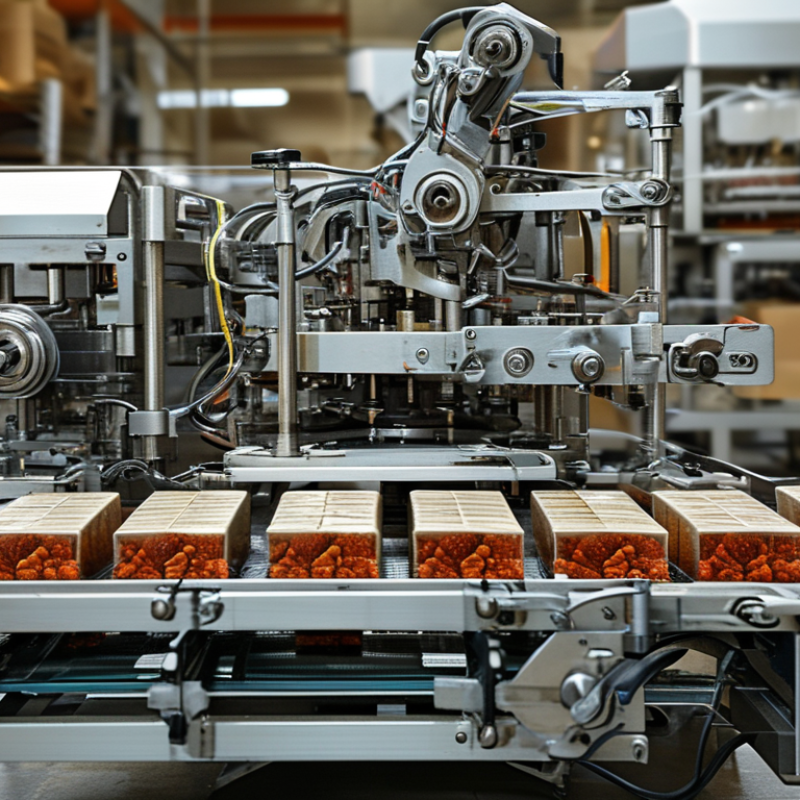
PMMI’s estimated $11 billion U.S. packaging machinery market shows a broad, active equipment landscape. It also suggests that no single machine type will dominate every facility. Demand follows product format, labor availability, production speed, and compliance needs. A small food producer may prioritize compact filling equipment. A large distribution center may invest more heavily in case packing and palletizing.
Form-fill-seal machines remain important for flexible packages and efficient material use. Filling and capping systems support liquid, powder, and viscous products. Labeling machines improve consistency when containers move quickly along a conveyor. Cartoning and case-packing equipment help reduce repetitive manual handling. Robotic palletizing adds control at the end of the line, especially where cartons arrive every few seconds. Inspection systems also matter, because a rejected package can cost more than the machine itself.
The market’s size creates room for automation, but investment decisions require restraint. A faster machine is not always the better machine. Maintenance access, changeover time, operator training, and spare-part availability can shape real performance. No forecast is perfectly clean. Equipment buyers should test products under actual conditions, including unstable materials and short production runs. In 2026, the strongest packaging lines may be flexible rather than simply fast.
In 2026, high-speed packaging lines increasingly combine VFFS and HFFS machines with automated weighing, inspection, and film control. VFFS machines form bags vertically from a continuous film roll. They suit powders, grains, snacks, and many free-flowing products. HFFS systems form pouches horizontally, often supporting delicate products, liquids, and shaped packs.
Why can both systems reach 200 bags per minute? The answer involves synchronized motion, rapid film feeding, accurate dosing, and reliable heat sealing.
A VFFS machine may complete forming, filling, and sealing in one vertical cycle. An HFFS machine can use multiple lanes or repeated pouch movements to maintain output. Shorter bags also reduce travel distance.
Speed is not everything.
That figure is conditional. Product density, moisture, pouch size, film stiffness, and seal temperature can change performance quickly. In practical commissioning work, a machine may reach 200 bags per minute with a small snack pouch but slow considerably with a large powder bag.
Small errors compound. A drifting scale, uneven film tension, or delayed seal can create waste and stoppages. Operators should test the complete package, not only the machine’s empty-cycle speed. A realistic production target also includes film changes, cleaning, adjustment, and quality checks. This is where many impressive specifications need careful interpretation.
Liquid fillers and cappers are moving toward higher speed, tighter control, and faster format changes. Rotary systems can reach up to 1,200 containers per minute, but only under suitable conditions. Product viscosity, container shape, closure design, and fill volume all affect output. A thin liquid in identical bottles behaves very differently from a foaming beverage or thick lotion.
PMMI’s 2024 State of the Industry Report valued U.S. packaging machinery shipments at approximately $11.3 billion in 2023. This growth reflects demand for automation, traceability, and labor efficiency. Modern fillers use servo-driven pistons, flow meters, or timed pressure filling. Cappers add torque monitoring and automatic rejection. In a real plant, however, a claimed 1,200 containers per minute may become 850 after changeovers, cleaning, and minor stoppages. Speed alone can mislead.
Tips: Test the complete container, cap, and liquid together. Measure actual output over a full shift, not during a short demonstration. Check fill accuracy, cap torque, foam control, and cleaning time. Ask for data from products with similar viscosity and packaging dimensions. A useful machine is not always the fastest machine. It is the one that maintains stable quality when conditions become imperfect. According to PMMI’s 2025 Trends in Automation report, connected controls and data visibility remain important investment priorities, but operators still need practical training and clear maintenance access.
What Are the 2026 Top Packaging Machine Types?
For 2026, cartoners and case packers remain practical choices for medium- and high-speed lines. A cartoner forms, loads, and closes retail cartons. A case packer groups those cartons into shipping cases. At 30–60 cases per minute, the line handles 1,800–3,600 cases hourly. That figure sounds impressive. Real output is usually lower.
PMMI’s 2024 State of the Industry report valued U.S. packaging machinery shipments at approximately $10.2 billion in 2023. The report also identifies labor availability and flexible automation as important investment drivers. This explains the interest in servo-driven cartoners, robotic case packers, and quick-change tooling. Horizontal case packers suit stable carton patterns. Robotic systems handle mixed formats more easily. Vertical systems can reduce floor space.
A production engineer should examine more than nameplate speed. Carton quality, glue temperature, product orientation, and case dimensions affect performance. Changeovers matter, too. A ten-minute adjustment repeated six times daily can erase much of the expected gain. Interact Analysis reported continued growth in packaging automation demand during its 2024 machinery market review, especially where labor flexibility is limited. Yet a fast machine cannot repair poor upstream feeding. This is where many plans fail.
The better test uses actual products, actual cases, and planned changeovers. Track sustained cases per minute, reject rates, and overall equipment effectiveness. A 60-case target may require 70-case capability. That margin is not wasteful. It protects the line from small faults, though it also increases capital cost.
| Machine Type | Primary Packaging Function | Typical Rated Speed | Typical Pack Format | Changeover Time | Case-Sealing Method | Best-Fit Applications |
|---|---|---|---|---|---|---|
| Horizontal Intermittent Cartoner | Loads products into pre-glued or lock-bottom cartons and closes the carton. | 30–60 cartons/min | Single or grouped products | 15–45 min | Not applicable | Pharmaceuticals, personal care, food, and household products requiring controlled carton loading. |
| Continuous-Motion Cartoner | Forms, loads, and closes cartons while products move continuously through the machine. | 60–200 cartons/min | Small, repeatable carton formats | 20–60 min | Not applicable | High-volume lines with consistent product dimensions and limited format variation. |
| Vertical Cartoner | Loads products from above into cartons, often using volumetric or counting systems. | 20–80 cartons/min | Bottles, pouches, sachets, and loose products | 15–45 min | Not applicable | Products that are difficult to side-load or that require multi-item filling into one carton. |
| Wraparound Case Packer | Wraps a corrugated blank around grouped products and forms a transport case. | 30–60 cases/min | Typically 6–24 primary packs/case | 20–60 min | Hot-melt adhesive or tape | Bottles, cans, cartons, trays, and flexible packages requiring compact secondary packaging. |
| Top-Load Robotic Case Packer | Robotic pick-and-place system loads products into open cases from the top. | 20–60 cases/min | Variable patterns and mixed orientations | 30–90 min | Hot-melt adhesive or tape | Fragile, irregular, or frequently changing products requiring flexible loading patterns. |
| Drop-Style Case Packer | Groups products and drops them vertically into an open corrugated case. | 30–80 cases/min | Rigid, durable products in fixed patterns | 20–60 min | Hot-melt adhesive or tape | Cans, bottles, jars, and other products that tolerate vertical loading. |
| Tray Former and Tray Packer | Forms corrugated trays and loads products into open-top transport packages. | 30–60 trays/min | Open-top trays, often 6–24 units | 20–60 min | Hot-melt adhesive, lock tabs, or tape | Retail-ready packaging, beverages, food products, and display-oriented distribution packs. |
| Case Erector and Case Sealer | Automatically opens, squares, seals, and prepares corrugated cases for filling or shipment. | 20–60 cases/min | Regular slotted cases | 10–30 min | Pressure-sensitive tape or hot-melt adhesive | End-of-line systems used before and after manual, robotic, or automated case loading. |
Operating note: Cartoner speeds are expressed in cartons per minute, while case-packer speeds are expressed in cases per minute. Actual output depends on product dimensions, pack pattern, case size, carton-board quality, infeed stability, sealing method, and the required operating efficiency.
In 2026, packaging lines are moving beyond basic filling and sealing equipment. Form-fill-seal machines, cartoners, case packers, and robotic palletizers now work as connected systems. Among these types, robotic palletizers directly address the industry’s labor-automation gap. They handle repetitive lifting after cartons leave the case packer. This reduces strain during long shifts and supports steadier production.
A typical system can pick cases, rotate them, and build stable pallet layers. Operators may load film, check sensors, and manage exceptions instead of lifting heavy boxes. Vision cameras help identify case positions, while recipe-based controls support faster product changeovers. The best results still depend on accurate case dimensions and consistent conveyor spacing. Small alignment errors can create a leaning pallet within minutes.
They are not magic.
In real facilities, integration often takes longer than expected. A palletizer may stop because of a worn gripper pad, a blocked sensor, or uneven cartons. Maintenance teams need practical training, not only software manuals. Safety fencing, access controls, and documented procedures must match the machine’s speed and reach. A careful site assessment should examine product weight, pallet patterns, floor space, and peak demand before purchase. Automation can reduce labor pressure, but poor planning simply moves the problem downstream. Even experienced teams should review failure data after installation and adjust their assumptions.