What is a retail packaging machine and how does it work?
Retail packaging machines play a crucial role in the modern supply chain. According to Smithers Pira, the global packaging market is projected to reach $1 trillion by 2024. This growth provides insight into the significance of efficient packaging solutions. A retail packaging machine automates the process, enhancing speed and consistency for various products.
These machines handle diverse tasks, from wrapping to sealing. They cater to industries like food, cosmetics, and electronics. In 2020, the food packaging segment accounted for nearly 38% of the market share, showcasing a vital demand for effective retail packaging solutions.
Despite advancements, challenges remain. Not all machines fit every product type. Sometimes, this leads to mispackaging, impacting brand perception. Companies must evaluate their needs carefully. Selecting the right retail packaging machine is essential to meet both efficiency and sustainability goals in a rapidly evolving market.
What is a Retail Packaging Machine?
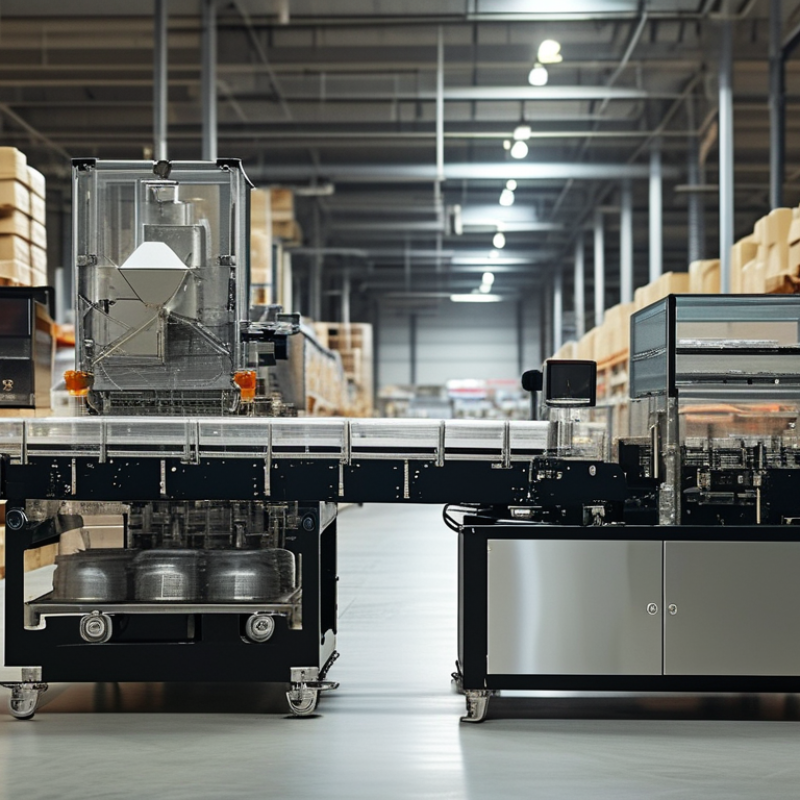
A retail packaging machine is an essential tool in modern manufacturing and retail settings. These machines streamline the packaging process, making it more efficient and cost-effective. They handle various tasks, including filling, sealing, and labeling products. According to a report by Grand View Research, the global packaging machinery market is expected to reach $48 billion by 2025, driven by increasing demand for packaged goods.
In retail environments, packaging machines come in many types. Some are specifically designed for food, while others handle non-food items. This versatility is vital for meeting diverse consumer needs. The process usually involves automated systems that ensure consistency in packaging. For example, many machines can achieve speeds of up to 120 packages per minute, significantly boosting production efficiency.
When choosing a retail packaging machine, consider speed and flexibility. Look for machines that can quickly adapt to different packaging sizes and materials. It's crucial to understand the limitations of each machine as well. Not every packaging solution fits every product. Investing in a reliable machine can minimize production downtime and improve overall performance.
Retail Packaging Machine Efficiency by Type
Key Components of Retail Packaging Machines
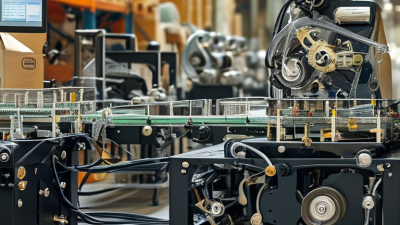
Retail packaging machines play a vital role in modern manufacturing and distribution. They serve to package products efficiently, ensuring that goods are protected and presented attractively. Key components of these machines include feeders, dividers, and sealers. Each part works together seamlessly to achieve optimized packaging solutions.
Feeders introduce products into the machine at a consistent rate. Dividers arrange them in the correct formation for packaging. Sealers then close the packages securely, often using heat or adhesive methods. These components need regular maintenance to function well. Delays often come from worn-out parts or misalignment, showcasing how precision matters in packaging.
When operating retail packaging machines, focus on operator training. This can reduce errors and improve safety. Regular inspections of each component help identify issues before they affect production. Ensure that all staff understand the importance of machine calibration, as small adjustments can lead to significant efficiency gains.
How Retail Packaging Machines Function
Retail packaging machines are essential in the modern supply chain. They automate the process of packing products, saving time and resources.
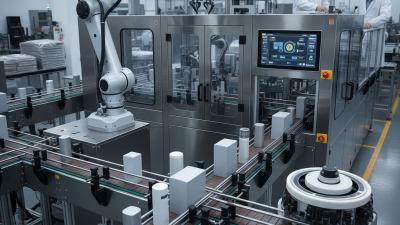
These machines rely on a series of synchronized components. First, they form, fill, and seal packages using precise measurements.
A conveyor belt transports products to the machine. Sensors detect package position and adjust accordingly. This ensures that every item is securely enclosed. But achieving the perfect seal can be tricky. If the temperature settings are off, seals may break. This can lead to product spoilage and waste.
Additionally, operators must regularly maintain these machines for optimal performance. Dust and residue can affect functionality. Routine checks are crucial to prevent downtime. Learning to troubleshoot these issues is part of the user experience. Operators often share their insights on effective maintenance practices. Each machine has unique challenges. Understanding these can help improve efficiency and reduce errors in the packing process.
Types of Retail Packaging Machines and Their Uses
Retail packaging machines come in various types. Each serves a unique purpose. These machines help businesses improve efficiency and reduce labor costs. One of the most common types is the vertical form-fill-seal machine. This machine creates bags from a roll of film, fills them with product, and seals them. Data from the Packaging Machinery Manufacturers Institute shows that this type is widely used in the food industry, with over 60% of manufacturers relying on it for packaging snacks.
Another significant type is the flow wrapping machine. It wraps products in plastic film to create a tight seal. This method is preferred for items like candy bars and bakery goods. A report from Research and Markets indicates that the global flow wrapping machine market is projected to grow by 4.2% annually through 2027. However, the challenge for many companies is selecting the right machine for their specific needs. Equipment that excels in flexibility may underperform in speed, creating bottlenecks in production.
Tray sealing machines also play a crucial role in retail packaging. They create a vacuum seal around trays filled with perishable items. The appeal of these machines lies in their ability to extend shelf life. Nonetheless, the initial investment and maintenance costs can be high, leading some businesses to hesitate. Proper training and regular maintenance are essential for maximizing their efficiency and ensuring reliable performance.
Benefits of Using Retail Packaging Machines in the Industry
Retail packaging machines have become essential in modern manufacturing. Their usage streamlines the packing process, ensuring efficiency and consistency. According to a report by Smithers Pira, the global market for packaging machinery is expected to grow at a CAGR of 3.4% through 2024. This growth underscores the importance of automation in retail packaging.
One major benefit of using retail packaging machines is the reduction in labor costs. Automation means fewer workers are needed for repetitive tasks. A study by the Association for Packaging and Processing Technologies found that companies can reduce labor costs by up to 30% with automated systems. Additionally, these machines can enhance product safety and integrity, minimizing the risk of contamination during packing.
Consistency is another crucial advantage. Unlike manual processes, retail packaging machines provide uniformity in packaging, which appeals to consumers. This precision can improve shelf life and reduce waste. However, implementing these machines may require significant upfront investment, and companies must weigh the long-term savings against initial costs. This trade-off presents a challenge for many, especially small businesses, in an evolving market.
What is a Retail Packaging Machine and How Does It Work? - Benefits of Using Retail Packaging Machines in the Industry
| Dimension |
Description |
Benefits |
| Speed |
Retail packaging machines can operate at high speeds, allowing for efficient packaging of products in less time. |
Increased production efficiency and throughput. |
| Consistency |
Machines provide uniform packaging, ensuring product quality and presentation are consistent. |
Improved visual appeal and brand perception. |
| Versatility |
Can handle various types of packaging materials, shapes, and sizes. |
Allows for a wider range of products to be packaged. |
| Cost-effectiveness |
Reduces labor costs by automating the packaging process. |
Lower operational expenses in the long run. |
| Safety |
Minimizes product handling, reducing the risk of contamination and injury. |
Enhanced product safety and assurance. |