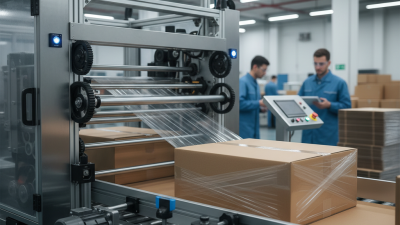
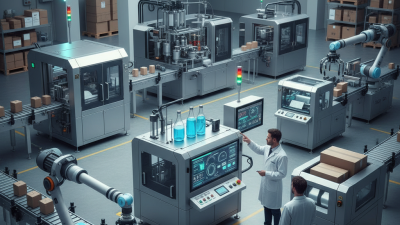
What is a robotic packing machine and how does it work?
Robotic packing machines have revolutionized the packaging industry. These advanced systems enhance efficiency and accuracy in packing operations. According to a 2022 report by MarketsandMarkets, the global robotic packing machine market is projected to reach $3.9 billion by 2026. This growth highlights the increasing demand for automation in various sectors.
These machines employ sophisticated algorithms and sensors to optimize packaging processes. They can handle diverse products, from fragile items to bulk goods, with precision. However, integrating such technology may present challenges. Companies must consider costs, training, and maintenance.
Despite these hurdles, the benefits are clear. Robotic packing machines reduce labor costs and minimize errors. The potential for higher productivity is significant. As industries evolve, addressing these challenges will be essential to fully harness the power of robotic packing machines.
What is a Robotic Packing Machine?
Robotic packing machines are advanced systems designed for efficiently packing products in various industries. They are increasingly adopted in sectors like food and beverage, pharmaceuticals, and consumer goods. According to a recent report by the International Federation of Robotics, the sales of industrial robots are projected to hit 4 million units by 2025, highlighting the growing reliance on automation.
These machines use a combination of robotic arms and vision systems to identify, sort, and pack products. Their precision enhances packing speed and reduces errors. A study by the Association for Advancing Automation found that robotic systems can improve packing efficiency by 30-50%. However, the integration of these systems can be complex and requires significant upfront investment.
The effectiveness of robotic packing machines depends on their programming and adaptability. While they can handle various products, the need for regular updates and maintenance poses challenges. Human oversight is still necessary to ensure quality control. These machines might excel at repetitive tasks but may struggle with irregular items. Balancing these strengths and weaknesses is essential for optimizing operations.
Key Components of Robotic Packing Machines
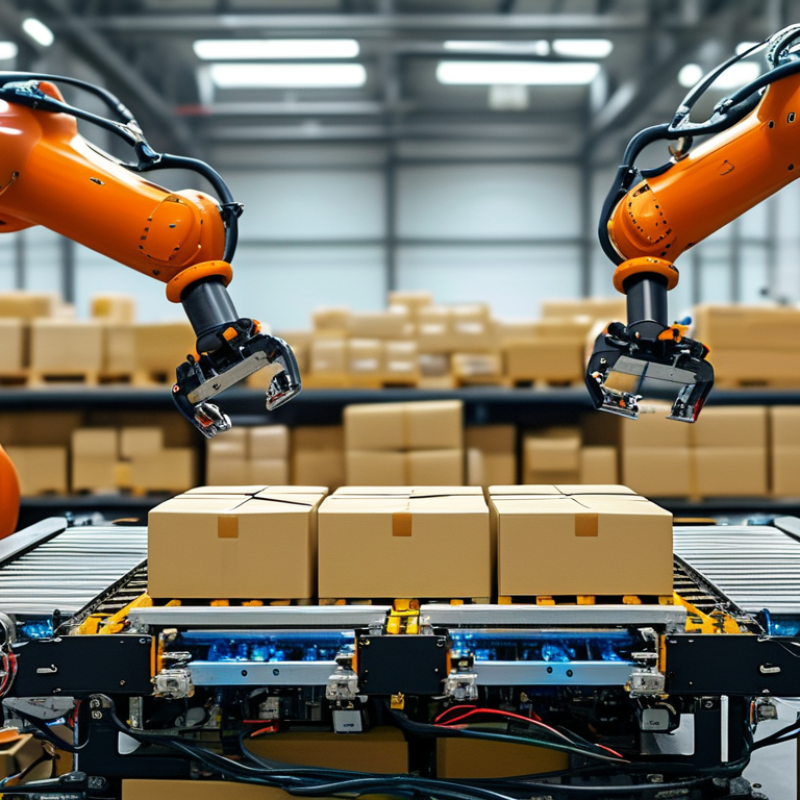
Robotic packing machines are transforming the packaging industry. Understanding their key components helps in maximizing efficiency. The main elements include robotic arms, vision systems, end-of-arm tooling, and control software. These components collaborate seamlessly to automate the packing process.
Robotic arms execute precise movements, handling products of various shapes and sizes. Vision systems play a critical role in identifying items, ensuring accurate placement. According to a market report by the International Federation of Robotics, robotic packing machines can increase speed by up to 30%, substantially reducing labor costs.
Tips: Regular maintenance of robotic arms increases their lifespan. Also, consider the layout of your workspace for optimal robotic performance. The end-of-arm tooling must be compatible with product types. Inadequate tooling can lead to inefficiencies. Proper calibration of vision systems is essential; mistakes could slow down production. Monitoring these factors allows for continuous improvement in packing efficiency.
How Robotic Packing Machines Improve Efficiency in Packaging
Robotic packing machines have been transforming the packaging industry. They significantly enhance efficiency and accuracy. According to recent industry reports, companies using robotic packing systems see productivity improvements of 20% to 30%. This boost is largely due to reduced manual labor and faster processing times.
These machines work by automating repetitive tasks. For example, they can sort, pack, and seal products with minimal human intervention. This reduces the risk of human error, which can lead to costly mistakes. In sectors like food and beverage, robotic systems ensure consistent quality and speed. They operate continuously, unlike humans, who need breaks. This continuous operation can lead to higher output levels, especially during peak seasons.
However, not all businesses benefit equally. Smaller companies may face challenges in initial investment costs. They might struggle to justify the expense without guaranteed returns. Training staff to work alongside advanced technology can also take time and resources. As the industry evolves, these challenges must be addressed to optimize the full potential of robotic packing machines.
Efficiency Improvement in Packaging with Robotic Packing Machines
Industry Applications of Robotic Packing Machines
Robotic packing machines are transforming various industries with their efficiency and precision. In the food sector, these machines play a critical role.
They handle delicate items, such as fruits and pastries, with care. The programming allows for quick adaptation to different product sizes. This flexibility benefits manufacturers dealing with varying product lines.
In the pharmaceutical industry, robotic packing ensures products are secure and correctly labeled. Accuracy is vital for compliance, and these machines minimize human errors. Automated systems can operate continuously, increasing productivity. However, they require regular maintenance to avoid breakdowns. This dependency on technology can be a point of concern.
Logistics and e-commerce also benefit from robotic packing machines. They expedite the packing process, which is essential for meeting customer demands. Some machines are equipped with artificial intelligence. This capability allows for continuous learning and improvement in packing efficiency. Yet, businesses must regularly assess their processes to maximize advantages. Balancing machine use with human oversight is crucial for maintaining overall quality.
Future Trends in Robotic Packing Technology and Automation
Robotic packing technology is rapidly advancing, shaping the future of automation across various industries. As per a report by the International Federation of Robotics, the robotic packaging market is projected to grow by 12% annually through 2025. This trend indicates a significant shift towards automation, driven by the need for efficiency and accuracy in packaging processes.
Businesses are increasingly adopting robotic solutions to streamline their operations. Automated systems reduce human error and can handle repetitive tasks with precision. For example, modern robotic arms can pack products at a speed of 120 units per minute. This capability allows companies to meet rising consumer demands while minimizing labor costs.
Tips: Consider the integration of automated packing solutions early in the design phase. Identify potential bottlenecks in your current process. Evaluate your return on investment carefully, as improvements can vary widely.
Looking ahead, advancements in artificial intelligence are expected to enhance robotic packing systems. Predictive analytics will allow robots to adjust packing strategies based on real-time data. However, businesses must address challenges like workforce adaptation and system reliability. As automation grows, maintaining a balance between technology and human skills is crucial.
What is a robotic packing machine and how does it work? - Future Trends in Robotic Packing Technology and Automation
| Dimension |
Details |
| Definition |
A robotic packing machine automates the process of packing products into boxes or containers using robotic technology. |
| Components |
Includes robotic arms, conveyors, sensors, and control systems. |
| Benefits |
Increased efficiency, reduced labor costs, improved packing accuracy, and enhanced flexibility. |
| Common Applications |
E-commerce fulfillment, food packaging, electronics assembly, and pharmaceuticals. |
| Future Trends |
Integration of AI for smarter operations, collaborative robots (cobots), and increased customization capabilities. |