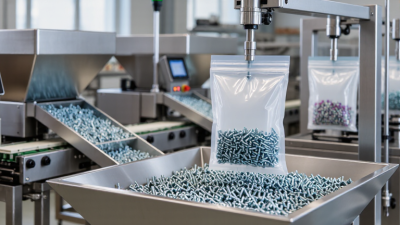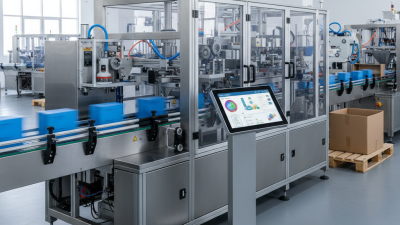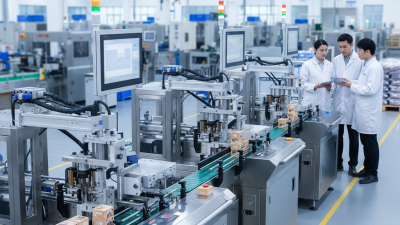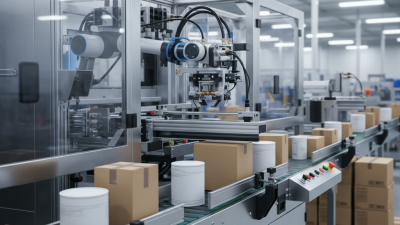
Choosing a wrapping machine manufacturer in China takes more than comparing prices or headline speeds. The right supplier should match the product, film, package size, and production target. A machine wrapping cartons at a steady rate may perform differently with soft packs, irregular products, or frequent changeovers. Small details matter: film tension, sealing temperature, touchscreen controls, and access to replacement parts.
Quality expert W. Edwards Deming wrote, “Quality comes not from inspection, but from improvement of the production process.” His principle offers a useful lens for evaluating wrapping machine makers. Look beyond a polished brochure. Ask how the supplier tests machines, documents performance, and handles problems after delivery. Numbers need context. A quoted speed should be checked against the product and operating conditions used in the test.
This article’s overview considers manufacturers through practical criteria, including machine range, customization, build quality, technical support, and export experience. It also highlights questions buyers can ask before requesting a quotation, such as which film types the machine supports and whether a factory acceptance test is available. A supplier may look strong on paper yet be a poor fit for a specific line. That deserves honest attention. No single ranking can replace a sample test, a clear specification, and direct discussion with the engineering team. The goal is not to declare one company best for every buyer, but to help readers identify manufacturers worth evaluating for their own packaging needs.
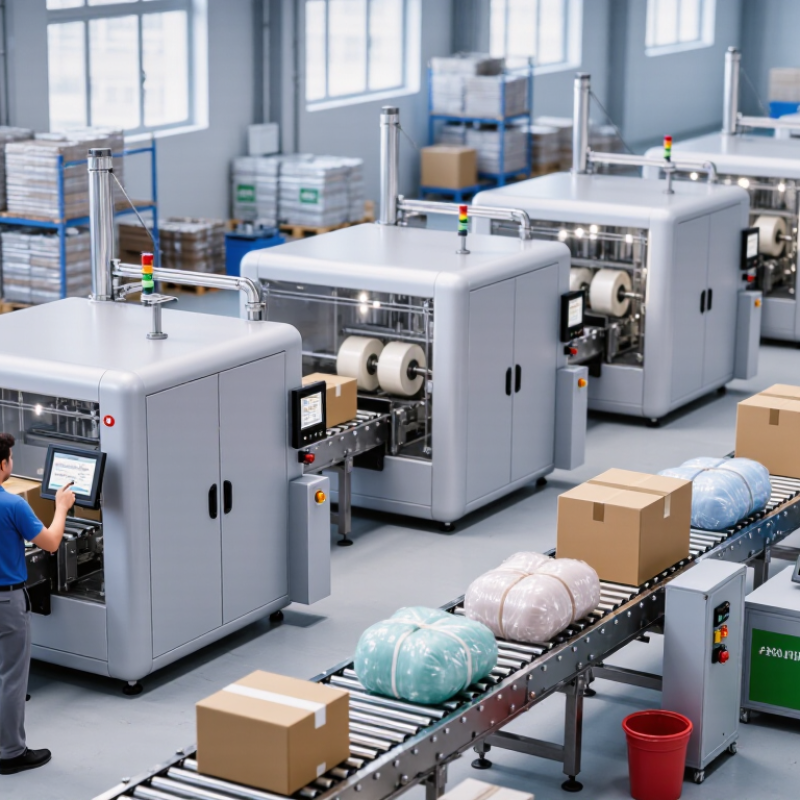
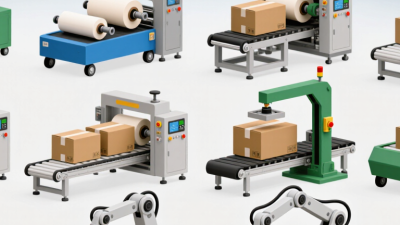
China’s wrapping machine industry serves food, beverage, household goods, and logistics producers. Its equipment ranges from compact flow wrappers to shrink tunnels and pallet stretch wrappers. Many factories offer configurable line speeds, film handling, and sealing systems. The right setup depends on package size, product shape, and daily output—not just the machine’s headline speed.
Automation is growing, especially where sensors and control systems help reduce misfeeds and inconsistent seals. Yet practical details still matter: film thickness, changeover time, cleaning access, and spare-part availability can shape performance on the factory floor. Details matter. Buyers should ask for a test using their own product and packaging film, then check seal quality and operating noise. A fast demonstration is useful, but it may not reflect a full shift.
China’s broad manufacturing base supports varied configurations and competitive production options. Quality and service can differ between suppliers, so buyers should review inspection records, installation support, and clear warranty terms. Not always. A lower purchase price may lead to higher downtime if training or maintenance support is weak. Industry progress is visible, though reliable comparisons remain difficult when specifications use different test conditions.
Evaluating wrapping machine manufacturers in China starts with the package, not the catalogue. Share the product dimensions, target output, and film type, then ask for a trial using your actual materials. Watch the machine run. Check whether film tension stays even, seals hold, and finished packs look consistent across repeated cycles. A fast demonstration is useful, but it may not reflect a full production shift.
Ask for written specifications, including changeover time, power requirements, guarding, and recommended maintenance intervals. Confirm which components are locally available and how quickly technical support can respond in your time zone. Request operating manuals, wiring diagrams, and a clear spare-parts list. Details matter.
If possible, inspect the factory or arrange a live remote acceptance test; record agreed performance criteria before payment milestones. Speak with customers handling similar products, rather than relying only on polished testimonials.
One concern: I have seen buyers focus heavily on quoted speed, then discover frequent adjustments slow real output. That is easy to overlook.
Evaluate the machine with your operators, too, since awkward film loading or hard-to-reach controls can create daily friction.
Leading wrapping machine manufacturers in China are best assessed by engineering capability, application fit, and after-sales support, rather than by a fixed ranking. The market serves food, consumer goods, and industrial packaging operations. Machines may handle stretch film, shrink film, or other wrapping formats, depending on the product and line design.
Look closely at practical details. Stable film tension helps prevent loose or torn wraps, while accurate conveyor alignment keeps products moving steadily. Ask manufacturers for sample runs using your own products and packaging materials. Check changeover time, operator access, spare-part availability, and the clarity of operating instructions. A clean machine layout matters on a busy production floor.
Performance claims need context. A quoted speed may not reflect real output when products vary in size or require frequent changes. Not every factory needs the fastest line. Request specifications, test records, and service response terms, then compare them against your operating conditions. Even careful testing has limits; a short trial may miss wear or setup issues that emerge over time.
| Equipment Category | Typical Applications | Common Performance Range | Typical Packaging Materials | Common Automation Features |
|---|---|---|---|---|
| Pallet stretch wrappers | Securing palletized cartons, bags, and containers for storage or shipment | Approximately 20–60 pallets per hour, depending on the load and machine configuration | Stretch film, commonly polyethylene-based | Adjustable wrapping programs, film tension control, photoelectric load detection, and optional conveyors |
| Rotary-arm pallet wrappers | Wrapping unstable, lightweight, or tall pallet loads that should remain stationary | Often around 20–60 pallets per hour; actual output depends on load dimensions and wrap settings | Stretch film | Rotating arm, programmable wrap cycles, adjustable film carriage, and optional automatic film cutting |
| Horizontal orbital wrappers | Wrapping long or irregular products such as profiles, pipes, panels, and furniture components | Varies widely with product length, conveyor speed, and required film overlap | Stretch film and, for some configurations, protective paper or foam | Conveyor-based feeding, adjustable ring speed, and configurable wrap pitch |
| Flow wrappers | Packaging individual food and consumer products in a continuous film tube | Commonly tens to several hundred packs per minute, depending on product and machine design | Heat-sealable flexible films, including suitable polypropylene and polyethylene laminates | Product feeding, forming, longitudinal sealing, end sealing, and optional date coding |
| Shrink-wrapping machines | Bundling products or applying a protective film over individual items and multipacks | Typically ranges from a few dozen to over 100 packs per minute across different machine types | Heat-shrinkable polyolefin or polyethylene film | Film cutting and sealing, shrink tunnel temperature control, and optional automatic product grouping |
| Carton and case wrapping systems | Wrapping or securing cartons and cases for distribution and transport | Depends on the line layout, carton size, and whether loading and conveying are automated | Stretch film or other compatible protective wrapping materials | In-line conveying, automatic load detection, programmable cycles, and integration with upstream or downstream equipment |
Performance figures are indicative industry ranges, not rankings or specifications for any particular manufacturer. Actual output depends on the model, product dimensions, film, operating conditions, and required packaging quality.
Wrapping machines cover several distinct jobs. Horizontal flow wrappers seal bakery products, bars, and medical supplies in flexible film. Shrink wrappers bundle bottled drinks, cosmetics, and household goods. Stretch wrappers secure pallet loads in food distribution, chemicals, and general manufacturing. Case and tray wrapping systems serve producers handling bulky or irregular packs. The right machine depends on product shape, line speed, film type, and whether operators need manual loading or automated feeding.
Grand View Research estimated the global packaging machinery market at USD 45.7 billion in 2023. Its market report covers multiple machine categories, not wrapping machines alone, so the figure should not be read as a wrapping-machine sales total. PMMI’s 2024 State of the Industry report also discusses automation and labor constraints shaping packaging operations. For buyers assessing Chinese suppliers, these trends make practical tests important: check seal consistency, changeover time, film waste, and integration with upstream conveyors. Very different jobs. A machine suited to cartons may struggle with soft, fragile snacks.
Industry fit matters more than a broad product list. Food plants often need hygienic surfaces and quick cleaning; e-commerce warehouses prioritize stable pallet wrapping and throughput. Pharmaceutical packaging requires controlled handling and traceable process settings. These are evaluation points, not automatic guarantees of compliance. Ask for a trial using your actual product and film. Measure the results. One detail is easy to miss: quoted speed may describe an ideal setup, not sustained output on a mixed product line. I would compare actual production records, though those records can be harder to verify than a brochure.
The chart compares common application areas for major wrapping and packaging machine types. Values count the selected industry groups listed for each type; they do not represent market share, manufacturer rankings, or the number of manufacturers.
Choosing a Chinese wrapping machine manufacturer starts with your product, not the supplier’s headline speed. Record package dimensions, film type, required output, and available floor space. Ask for a trial using your actual product and film. Watch for loose seals, film wrinkles, and jams during roll changes. A fast demonstration on an easy sample proves little. Request a written test report with operating speed, reject rate, and changeover time.
Market context matters, but broad figures need careful interpretation. Grand View Research valued the global packaging machinery market at about US$45.8 billion in 2023 and forecast 4.2% annual growth from 2024 to 2030. That covers many machine types, not wrapping machines alone. Use it as context, not proof of a supplier’s performance. Check whether the manufacturer builds the machine in-house, documents key components, and can provide remote troubleshooting, spare-part lead times, and clear warranty terms. Ask for references from plants handling similar products. Then compare the full cost, including installation, training, film waste, and routine maintenance. No checklist removes that risk. I would also verify every claim against a signed specification; that step is easy to neglect when a quotation looks attractive.