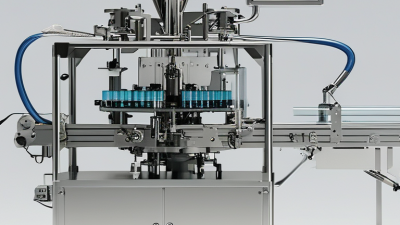
How to Choose a Chip Packaging Machine for Your Factory?
Choosing the right chip packaging machine can shape your factory’s speed, quality, and long-term operating costs. The decision involves more than comparing prices or advertised output. It requires a close review of chip dimensions, packaging materials, production volume, sealing methods, and available floor space. A machine that performs well in a supplier’s demonstration may struggle with your actual components or packaging film. Real samples matter.
This guide examines the practical factors engineers and production managers should evaluate before purchasing a chip packaging machine. It considers feeding accuracy, placement consistency, inspection systems, changeover time, energy use, and operator safety. Maintenance access also deserves attention. A machine with difficult-to-reach sensors can create costly delays during a busy shift. Ask for test results, service records, training details, and clear warranty terms. Reliable suppliers should explain limitations, not only advantages. That matters.
Factory conditions can change, too. New chip sizes, revised orders, or stricter quality requirements may appear within a year. Therefore, future flexibility should be measured against the current budget. However, buying excessive capacity is not always wise. It can increase complexity and leave expensive equipment underused. The best choice usually balances verified performance with realistic production needs. Some assumptions may prove wrong after installation, so pilot testing and operator feedback remain essential. This article provides a structured basis for comparing machines, identifying risks, and making a careful investment decision.
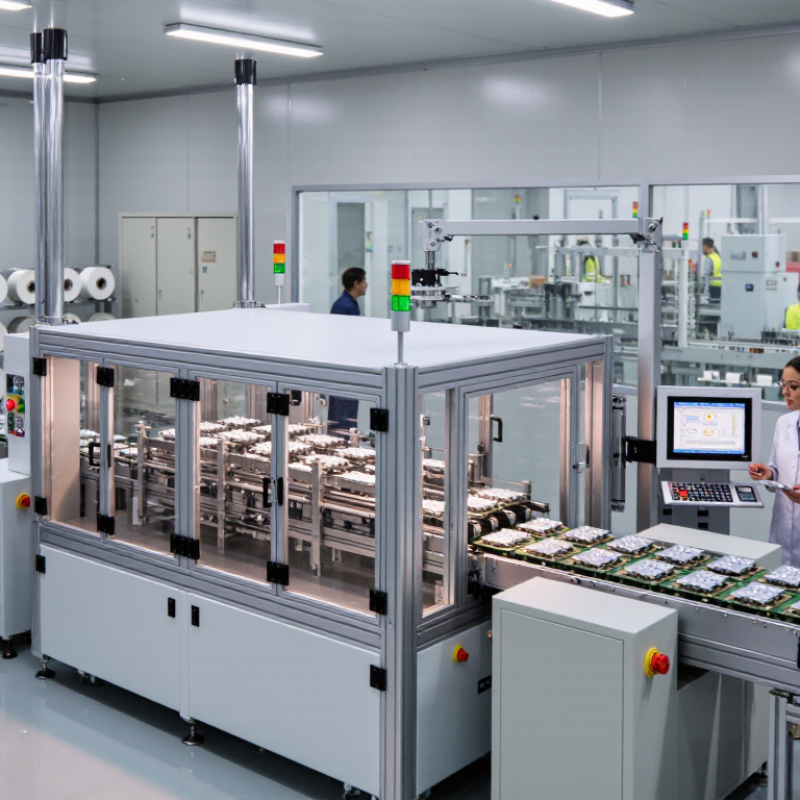
Factory Packaging Needs and Chip Types
A factory should choose a chip packaging machine around its daily packaging conditions, not only its target speed. Start by recording chip dimensions, weight, surface sensitivity, and required package format. Small ceramic components may suit embossed carrier tape, while larger power modules often need trays or custom protective inserts. The machine must also control static electricity, dust, and handling force.
Chip type strongly affects feeding and sealing performance. Moisture-sensitive semiconductor packages may require dry packaging, moisture indicators, and reliable heat sealing. Fine-pitch components need stable pocket positioning and accurate vision inspection. Fragile sensors can crack when a feeder applies excessive pressure. LED packages may also need light-protective materials. Ask whether the equipment can manage different pocket depths and quick product changeovers.
In factory trials, measure real output with your actual materials. Advertised speed can fall when operators adjust reels, remove rejects, or clean sensors. I once underestimated changeover time; the machine looked efficient until three product sizes entered the schedule. That mistake still influences my selection checklist. Check seal strength, label accuracy, traceability, and reject handling during a full shift. Leave room for operator judgment. Automation helps, but poorly trained staff can still load the wrong tape or tray. A clear interface, accessible maintenance points, and documented inspection records make the machine more dependable. Perhaps the cheapest option is not the lowest-cost choice.
Machine Capacity, Speed, and Automation Levels
Choosing a chip packaging machine starts with capacity, not the largest number on a brochure. Measure hourly output, package size, changeover frequency, and peak-season demand. PMMI’s 2024 U.S. Packaging Machinery Shipments Study reported a packaging machinery market value of about $10.2 billion in 2023. That scale reflects growing investment, but it does not justify oversized equipment for every factory.
A practical machine should run near 70–80% of its rated capacity during normal production. This leaves room for maintenance, material variation, and urgent orders. Speed must be tested with actual chips, film, sealing temperatures, and operator routines. A quoted cycle rate can look impressive. Real output may fall after frequent size changes. Record reject rates and unplanned stops during a factory trial, not only the best ten-minute run.
Automation level should match process stability and workforce skills. Basic automation may suit one package format and steady volumes. Servo control, automatic weighing, vision inspection, and recipe storage become valuable when products change often. The International Federation of Robotics reported 162 robots per 10,000 manufacturing employees worldwide in 2023, showing wider automation adoption. Still, automation is not automatically efficient. Complex controls can create expensive downtime when technicians lack training. I would request remote diagnostics, clear fault messages, and manual recovery procedures. The perfect machine probably does not exist. Choose the one your team can operate, maintain, and improve.
Quality Control, Compatibility, and Safety Requirements
Choosing a chip packaging machine requires more than comparing speed and purchase price. Quality control should guide the decision. Look for stable sealing, accurate counting, and inspection systems that detect missing or damaged chips. A clear production record also helps trace each batch. Calibration must be simple and documented.
Compatibility matters on the factory floor. Check chip dimensions, package materials, feeder capacity, and required output. The machine should connect smoothly with existing conveyors and inspection equipment. Request a sample trial using your real chips and packaging film. A machine may perform well in a showroom, yet struggle with static, fragile surfaces, or irregular shapes. That detail is easy to miss.
Tips: Measure the installation space before ordering. Test noise, cleaning access, and changeover time. Ask operators to review the control panel. Their feedback often reveals practical problems engineers overlook. Safety requirements deserve equal attention. Choose guarded moving parts, visible emergency stops, safe electrical systems, and clear lockout procedures. Dust control and heat protection are also important near sealing units. Keep risk assessments and maintenance records available. Do not rely only on supplier claims; verify certificates, test results, and operator training. Even a strong selection can need adjustment after installation. Record those weaknesses early.
Installation, Maintenance, and Total Operating Costs
Choosing a chip packaging machine requires more than comparing purchase prices. Installation conditions often decide whether the equipment performs reliably. Measure floor strength, available space, power quality, compressed air, ventilation, and material flow before signing an order. A machine that fits the brochure may not fit your production line.
Installation should include leveling, electrical checks, safety verification, and trial runs with real packaging materials. Experienced technicians can identify vibration, feeding errors, and sealing problems early. Train operators during commissioning, not weeks later. Keep calibration records and clear operating instructions near the control panel. Small details matter.
Maintenance planning directly affects total operating cost. Ask about cleaning access, replacement intervals, lubrication points, diagnostic tools, and spare-part availability. Track energy use, labor hours, rejected packs, and unplanned downtime each month. A cheaper machine may consume more film, require longer changeovers, or lose accuracy after heavy use. Look at the whole operating life.
We once underestimated cleaning time during a production review. That mistake changed the labor calculation. It also showed why factory data matters more than supplier estimates. Build a cost model covering installation, training, utilities, maintenance, consumables, repairs, and eventual upgrades. Leave room for uncertainty. Actual costs rarely match the first spreadsheet.
How to Choose a Chip Packaging Machine for Your Factory?
Installation, Maintenance, and Five-Year Operating Costs
This illustrative factory-planning benchmark compares estimated costs per packaging line over five years. Operating costs include labor, electricity, routine consumables, and production support; facility rent, financing, taxes, and major unplanned downtime are excluded. The automatic configuration offers the lowest projected five-year cost in this example because higher installation costs are offset by lower labor and operating expenses.