What Are the Top Film Packaging Machine Types in 2026?
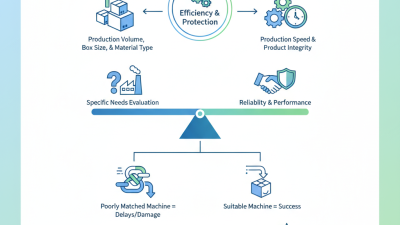
Choosing a film packaging machine in 2026 is less about finding one universal winner and more about matching equipment to the product, film, and production line. A small snack pouch, a tray of fresh food, and a bundle of bottles need different handling. The wrong fit can mean wasted film, uneven seals, or frequent stops. Those details matter.
This guide introduces the main machine types buyers are likely to compare: vertical and horizontal form-fill-seal systems, flow wrappers, thermoforming machines, and shrink or stretch wrappers. Each handles packaging in a different way. Vertical systems form bags from a film roll and often suit granular or free-flowing products. Horizontal machines move items through a forming tube, which can work well for solid products. Thermoforming equipment shapes film around a product, while wrapping systems secure bundles or loads. Actual results depend on machine design and operating conditions.
There is no effortless choice. Not quite. Product shape, desired pack format, line speed, changeover needs, and compatible films all deserve attention. Buyers should also ask how seals are inspected, how quickly parts can be cleaned, and whether the machine can integrate with existing equipment. Published speed figures can be useful, but they do not tell the whole story. Real output may change with the product and package.
The sections ahead explain where each type fits, what trade-offs to check, and which questions help narrow a shortlist. Consider them a starting point, not a substitute for a product trial or a qualified supplier’s advice.
What a Film Packaging Machine Does
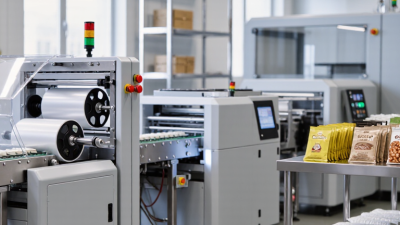
A film packaging machine feeds flexible film, shapes it around a product, and seals the package. Some systems wrap products in preformed film; others form a pouch from a roll. Depending on the setup, the machine may also fill, cut, or print a date code. The finished pack can help limit dust and handling exposure, but it is not automatically airtight or suitable for every product.
Film travels over rollers and through forming parts, then heated jaws press the layers together. Temperature, pressure, and dwell time all affect seal quality. Too much heat can wrinkle or weaken the film; too little may leave a channel in the seal. In practice, this part is less tidy than diagrams suggest. Film thickness, product shape, and line speed can change the result, so operators check sample packs during setup.
Tips: Run a short test with the actual product and film before full production. Inspect seals for gaps, wrinkles, and uneven edges. Keep film centered, and record settings that work. Small adjustments matter. A clean-looking pack can still have a weak seal, so visual checks should not replace suitable quality testing.
How Film Packaging Machines Are Classified
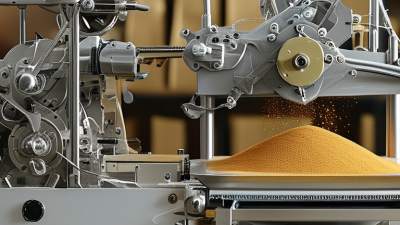
Film packaging machines are best classified by how they form, fill, and seal a package. In vertical form-fill-seal systems, film travels downward around a forming tube. Product drops into the open pouch, then sealing jaws close it. These machines often handle powders, granules, or measured portions. Watch the film track carefully. A small alignment error can create uneven seals.
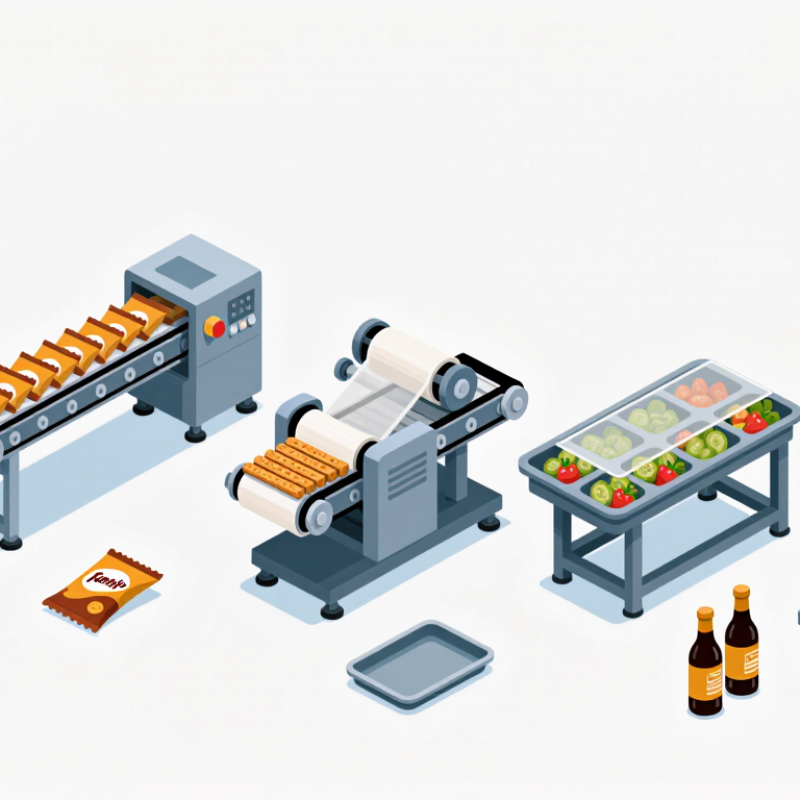
Horizontal flow wrappers move products along a conveyor and wrap film around each item. They suit items such as bars, trays, or compact household goods. Shrink packaging uses heat to tighten film around a product or grouped items. The result is a close-fitting outer layer, not necessarily a sealed pouch. These categories can overlap in real production lines.
Machines can also be grouped by film supply and operating motion. Some form packages from a continuous roll; others wrap products with pre-cut film. Intermittent-motion models pause for sealing, while continuous-motion designs keep product moving. The right distinction depends on product shape, target speed, and seal requirements. A crisp seal looks reassuring, but appearance alone does not prove package integrity. Operators still need to check seal consistency and film tension during actual runs.
Which Film Packaging Machine Types Are Used in 2026?
In 2026, film packaging lines commonly use horizontal flow wrappers, vertical form-fill-seal machines, shrink wrappers, stretch wrappers, and vacuum packaging systems. Each handles a different product shape and production need. Horizontal flow wrappers seal items in a continuous film tube, making them useful for bars, baked goods, and small boxed products. Operators can check the end seals and film tracking during a routine run. A drifting film roll can cause wrinkles or weak seals.
Vertical form-fill-seal machines form bags from a film roll, then fill and seal them. They suit loose products such as grains, powders, and snack pieces. The product’s weight and flow behavior affect filling accuracy, so testing with the actual material matters. Small details matter. Shrink wrappers use heat to tighten film around grouped products, while stretch wrappers apply tensioned film around pallet loads. These systems protect loads from dust and shifting, but excess film tension may deform lighter packages.
Vacuum packaging machines remove air before sealing, often for foods or components that need reduced exposure. Film type, seal temperature, and package thickness all influence results. A buyer should compare changeover time, seal consistency, maintenance access, and film consumption—not just rated speed. There is no perfect machine. Faster equipment may still create more waste if the product changes often or operators struggle with adjustments. A short production trial can reveal issues a specification sheet misses.
How Major Machine Types Differ in Operation and Application
What Are the Top Film Packaging Machine Types in 2026?
How Major Machine Types Differ in Operation and Application
Vertical form-fill-seal machines draw film from a roll, form a tube, then fill and seal each pouch. They suit powders, snacks, and granular products. Horizontal form-fill-seal machines shape film around products moving along a conveyor, making them useful for flat items such as trays or medical supplies. Flow wrappers also feed products horizontally, sealing a continuous film around each item. They work well for bars, bakery goods, and other regularly shaped products. Shrink wrappers bundle products in film, then use heat to tighten the wrap. That adds a protective outer layer, but it is not a substitute for a sealed primary pack.
The right choice depends on product shape, pack format, and required output—not just machine speed. Smithers’ report, The Future of Flexible Packaging to 2028, projects the global flexible packaging market will reach $269.9 billion by 2028. That growth spans varied formats, so one machine type cannot serve every application equally well. In practice, film thickness, seal-jaw temperature, and dwell time can affect seal quality. Changeovers also take longer than many buyers expect. Worth checking.
Tips: Test your actual film and product before selecting a machine. Watch the seal area during a production trial, and record changeover time. A line that runs quickly but rejects weak seals may not be the better option.
How to Choose a Film Packaging Machine for a Specific Need
Choosing a film packaging machine starts with the product, not the machine’s advertised speed. Pillow-style flow wrappers suit many flat or regularly shaped items, while shrink systems can bundle products or create a close outer wrap. For loose products, a vertical form-fill-seal machine may be a better fit. Small details matter.
Check the product’s length, width, height, weight, and surface texture. A slippery film may feed differently from a stiff one, and sharp corners can strain seals. Match the machine’s forming range and sealing method to the actual package size. Then consider daily volume, available floor space, operator skills, and how often products or film rolls change. A fast machine can be a poor choice if changeovers take too long.
Run a trial with the real product and intended film. Observe package alignment, seal strength, film waste, and the time needed to clear a jam. Record the results; rated output alone may not reflect normal production. Even a careful trial can miss a troublesome shift change or an awkward cleaning step. That deserves a second look. Ask qualified equipment and packaging specialists to review the trial data before choosing a setup.
What Are the Top Film Packaging Machine Types in 2026?
How to choose: compare each machine type with the product and packaging job. Scores are an indicative 1–5 fit guide, not measured performance data.
VFFS is commonly suited to loose products filled into bags; flow wrappers and HFFS machines suit many individual products; shrink wrappers bundle or enclose products; stretch wrappers secure pallet loads. Actual suitability depends on product dimensions, film, package format, and required production rate.