


2026 Top Small Sachet Filling Machine Types?
Choosing the right small sachet filling machine in 2026 requires more than comparing prices or production speeds. Sachet products may contain powders, liquids, pastes, or free-flowing granules. Each material behaves differently inside hoppers, dosing systems, and sealing jaws. A powder can bridge above an auger. A liquid can drip before sealing. Small details matter.
This guide introduces the main machine types, including auger fillers, volumetric cup fillers, piston fillers, pump-based liquid fillers, and multi-lane sachet systems. It considers dosing accuracy, sachet size, sealing performance, cleaning access, changeover time, and operator safety. Practical examples will show how a compact machine handles coffee powder, shampoo, seasoning, or approved food ingredients. The goal is not to promote one universal solution. No single machine fits every product.
Some figures require careful checking.
In real production, advertised output may differ from stable output on the factory floor. Film tension, humidity, product density, and operator experience can change results. A reliable evaluation should include sample testing, weight checks, seal-strength testing, and a review of spare-part support. Equipment should also match applicable safety, hygiene, and packaging requirements in its target market. This article uses an experience-based approach while recognizing that specifications can vary between manufacturers. Readers should verify technical claims directly with qualified suppliers before purchasing. The best small sachet filling machine is not always the fastest model. It is the machine that delivers consistent packs, manageable maintenance, and dependable performance over time.
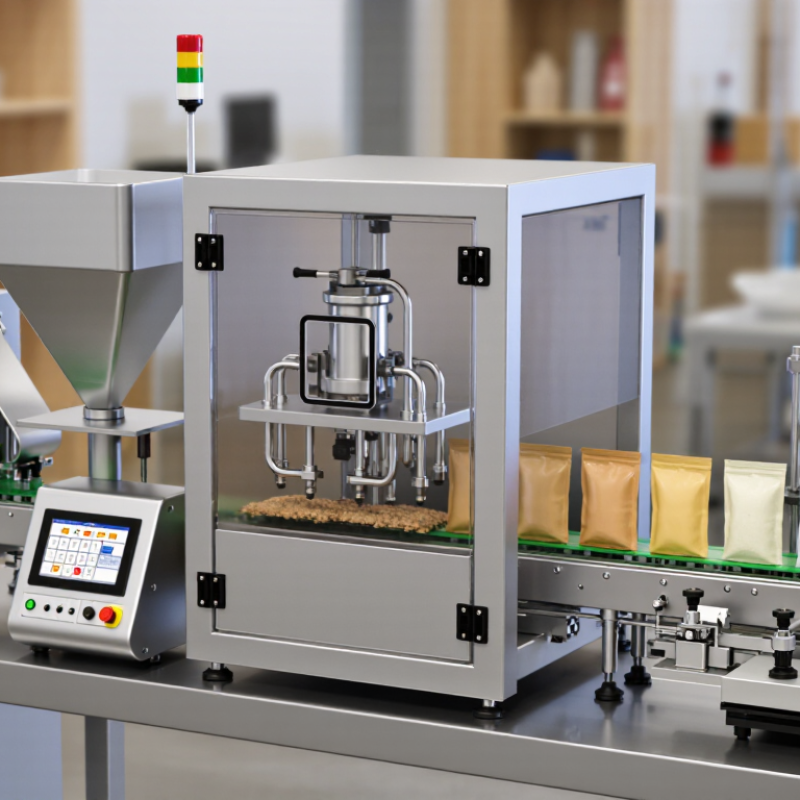
Small Sachet Filling Machines: Definition, Purpose, and Core Functions
Small Sachet Filling Machines: Definition, Purpose, and Core Functions
Small sachet filling machines are compact systems that measure and seal single-use portions. They commonly handle powders, granules, liquids, and fine pastes. A typical machine draws film from a roll, forms a pouch, fills the product, and seals each sachet. Some models create three-side seals, while others produce four-side seals or stick packs. Small footprint matters.
Their main purpose is controlled, repeatable packaging where space, hygiene, and portion accuracy matter. Food ingredients, personal-care products, household powders, and sample materials can benefit from this format. Operators can adjust filling volume, sealing temperature, film speed, and cutting length. Sensors monitor film position and product levels. Modern controls also record operating data, which helps identify repeated errors.
From practical experience, stable performance depends on more than machine speed. Product flow, humidity, particle size, and film quality can change results. A powder may bridge inside the hopper, while a thick liquid may leave residue near the seal. Cleaning access is therefore a core function, not a minor convenience. Reliable machines should support accurate dosing, firm seals, safe guarding, and straightforward changeovers. No machine is perfect. A slower setting may produce better sachets. Testing with the real product remains essential, because laboratory assumptions can fail during continuous production.
2026 Top Small Sachet Filling Machine Types? - Small Sachet Filling Machines: Definition, Purpose, and Core Functions
Small sachet filling machines are packaging systems that measure, dispense, seal, and often code small quantities of powder, granules, liquids, pastes, or individual products into flexible sachets. The specifications below represent common industrial ranges; actual performance depends on product properties, sachet dimensions, dosing accuracy, film material, and machine configuration.
| Machine Type | Suitable Products | Typical Fill Range | Typical Output | Common Sachet Format | Core Dosing Method | Primary Functions and Best Applications |
|---|---|---|---|---|---|---|
| Auger Powder Sachet Filler | Flour, spices, milk powder, coffee, pharmaceutical powders, detergents, and other free-flowing or mildly cohesive powders. | 0.5–100 g | 20–60 sachets/min | Three-side seal, four-side seal, or stick pack. | Rotating auger screw controlled by timed revolutions or servo positioning. |
|
| Volumetric Cup Granule Filler | Sugar, salt, rice, seeds, tea, grains, pellets, small snacks, and other free-flowing granular products. | 1–50 g | 20–80 sachets/min | Three-side seal, four-side seal, or pillow-style sachet. | Adjustable measuring cups that discharge a preset volume. |
|
| Multihead Weigher Sachet Filler | Irregular snacks, nuts, confectionery, dried fruit, seeds, hardware pieces, and mixed solid products. | 2–500 g | 30–120 sachets/min | Premade pouch, pillow sachet, or four-side-seal bag. | Combination weighing using multiple weigh hoppers to reach the target weight. |
|
| Liquid Pump Sachet Filler | Water, juice, sauces, edible oils, shampoo, liquid soap, hand sanitizer, and other low- to medium-viscosity liquids. | 1–100 ml | 20–80 sachets/min | Three-side seal, four-side seal, or stick pack. | Gear, peristaltic, diaphragm, or other metering pump selected according to viscosity and hygiene needs. |
|
| Piston Paste and High-Viscosity Filler | Honey, ketchup, mayonnaise, creams, gels, cosmetic lotions, toothpaste, and pharmaceutical pastes. | 5–250 ml | 15–60 sachets/min | Three-side seal, four-side seal, or premade sachet. | Pneumatic or servo-driven piston that dispenses a measured volume. |
|
| Stick Pack Multi-Lane Filler | Powders, instant beverages, sugar, salt, granules, liquids, and small-dose pharmaceutical products. | 0.5–30 g or ml per lane | 60–600 stick packs/min total | Long, narrow stick pack with longitudinal and end seals. | Auger, cup, weigh-based, pump, or piston dosing depending on the product. |
|
| Premade Sachet or Pouch Filler-Sealer | Powders, granules, liquids, creams, wipes, small components, and products requiring preprinted or special-shaped pouches. | 5–500 g or ml | 10–40 sachets/min | Premade flat pouch, spouted pouch, zipper pouch, or shaped sachet. | Separate filling system followed by heat sealing or ultrasonic sealing. |
|
| Granule and Liquid Dual-Use Sachet Machine | Manufacturing lines that alternate between dry granular products and pumpable liquids. | 1–100 g or ml | 20–70 sachets/min | Three-side seal, four-side seal, or compact stick pack. | Interchangeable cup, auger, pump, or piston dosing assemblies. |
|
| Hygienic or Pharmaceutical Sachet Filler | Powders, granules, oral liquids, gels, medical samples, and other products requiring controlled contamination risk. | 0.1–100 g or ml | 20–80 sachets/min | Validated three-side seal, four-side seal, or stick pack. | Precision auger, load-cell weighing, peristaltic pump, or piston dosing. |
|
Selection note: Choose the dosing system according to product flowability, viscosity, particle size, bulk density, target fill weight, required accuracy, sachet material, sealing temperature, and expected production volume. A machine’s rated speed may decrease when products are sticky, dusty, fragile, temperature-sensitive, or difficult to feed.
Related Posts
-
What is a small sachet filling machine and how does it work?
-
Top Sachet Filling Machine Manufacturers Worldwide?
-
China Top Sachet Filling Machine Manufacturers and Prices
-
How to Choose the Right Pouching Machine?
-
Why Choose a Pouching Machine for Your Business?
-
2026 Top Robotic Packing Machine Types for Global Buyers